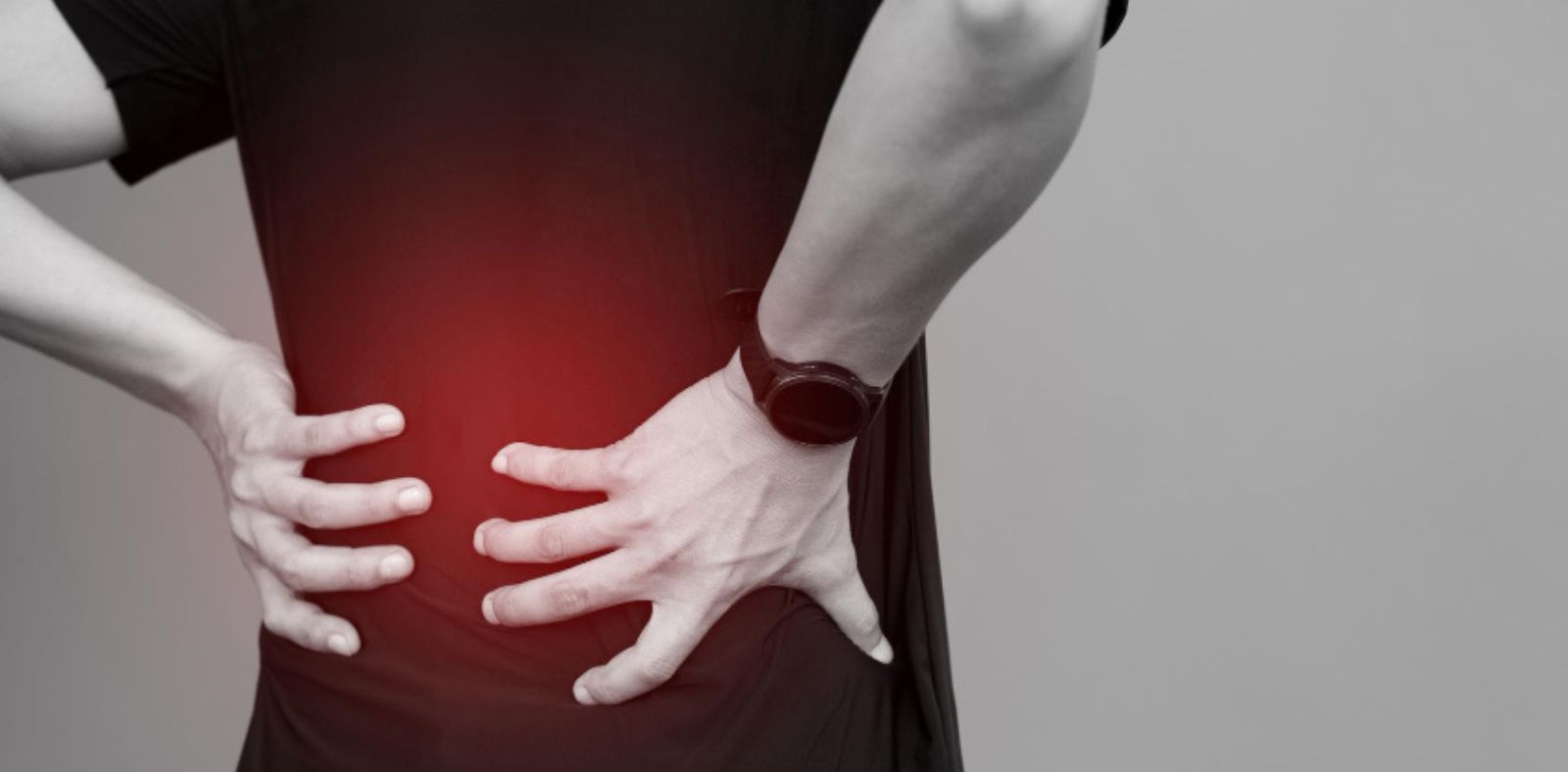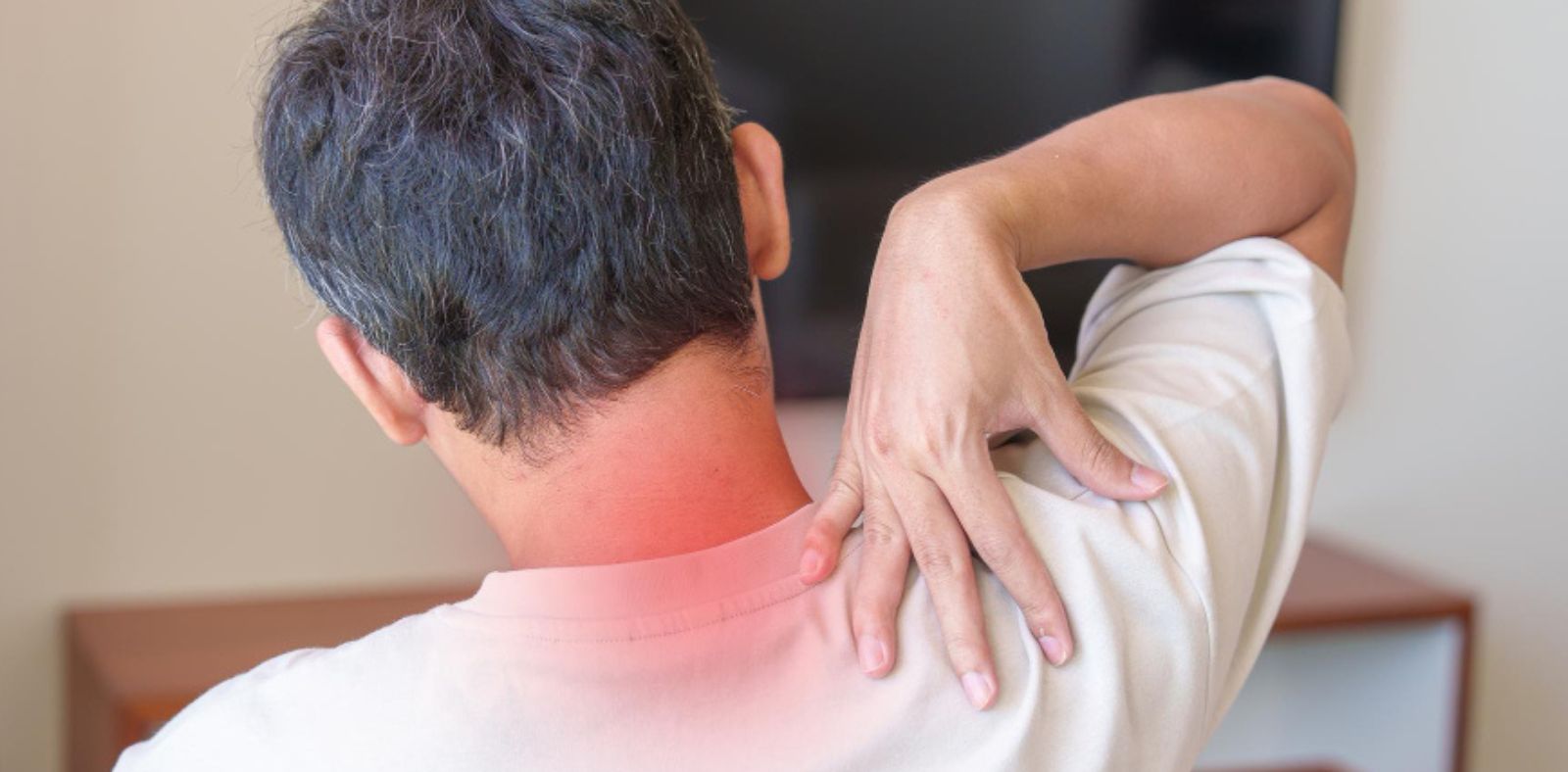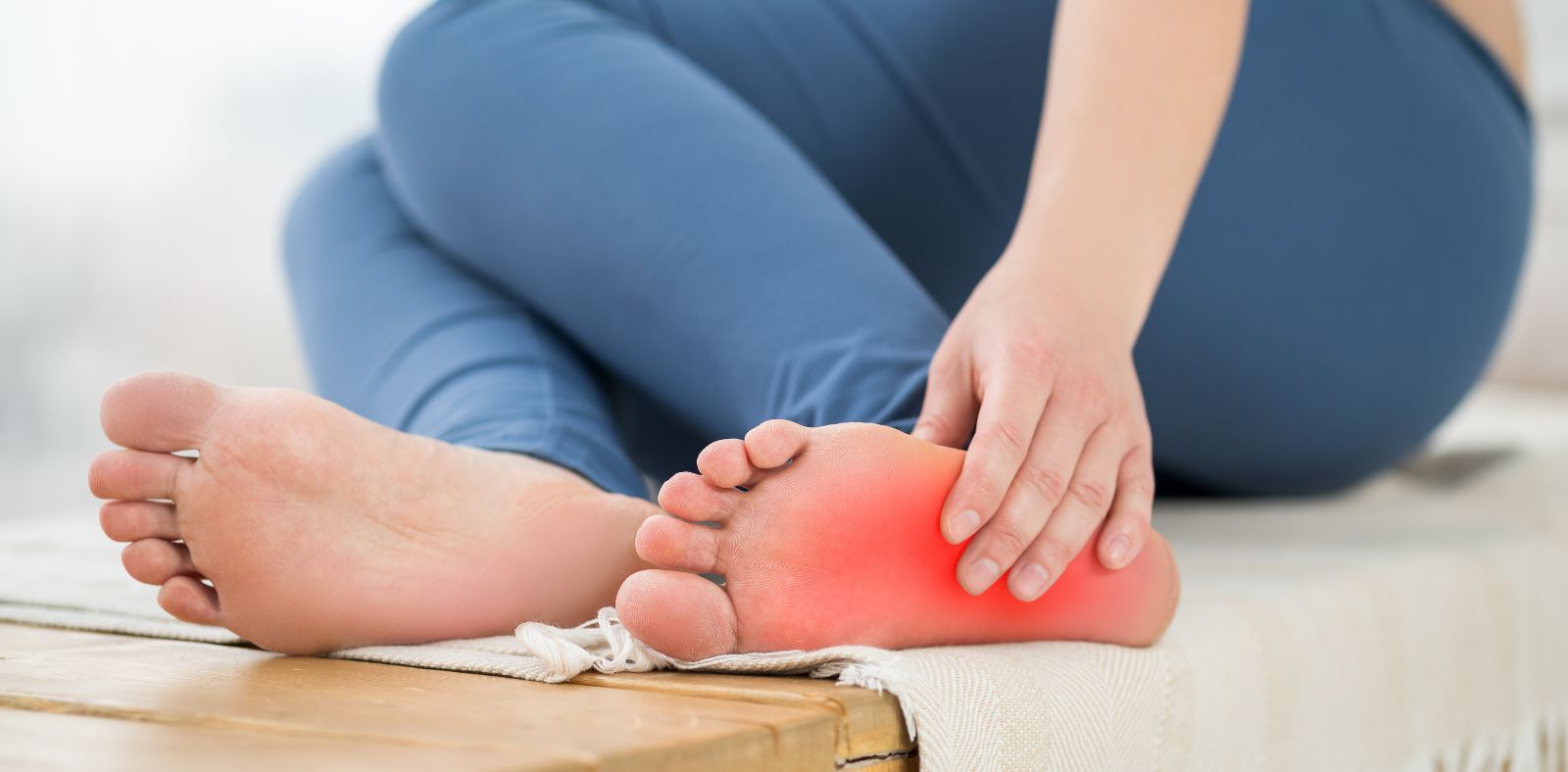

Sciatica pain can make simple activities feel difficult. Sitting for long hours, bending down, standing for too much time or even walking can become uncomfortable when the sciatic nerve gets irritated. Many people describe sciatica pain as a sharp, shooting pain that starts in the lower back and travels down the leg. Others may feel tingling, numbness or weakness in the leg or foot.
Sciatica is not a condition on its own. It is usually a symptom of another problem affecting the lower back or spine. The good news is that most cases improve with proper care, exercise and lifestyle changes.
Early treatment can help reduce pain faster and prevent the problem from getting worse. In this article, we will explain the causes, symptoms and best sciatica pain treatment options so you can understand what works best and when you should seek medical help.
What Is Sciatica Pain?
Sciatica pain happens when the sciatic nerve becomes compressed or irritated. The sciatic nerve is the largest nerve in the body. It starts in the lower back, travels through the hips and buttocks and goes down each leg.
When this nerve is under pressure, it can cause pain in the lower back, buttocks, thigh and calf. In some cases, the pain can reach the foot. Sciatica usually affects only one side of the body.
The pain can range from mild to severe. Some people feel a dull ache, while others experience a burning sensation or sharp, electric shock-like pain.
Why Does Sciatica Pain Happen?
Sciatica usually happens because something presses on the sciatic nerve. This pressure can come from a slipped disc, swelling in the spine or tight muscles around the lower back and hips.
Poor posture, long hours of sitting and lack of exercise can also increase the risk of developing sciatica. People who lift heavy weights incorrectly or have jobs that involve repeated bending may also be more likely to experience sciatic pain.
As people age, the discs in the spine may wear down. This can increase the risk of nerve compression and sciatica.
Common Causes of Sciatica
Several conditions can lead to sciatica pain. Some of the most common causes include:
- Herniated or slipped disc
- Degenerative disc disease
- Spinal stenosis
- Piriformis syndrome
- Injury to the lower back
- Poor posture
- Obesity
- Pregnancy
- Sitting for long periods
- Heavy lifting or sudden twisting movements
A slipped disc is one of the most common reasons for sciatica. This happens when the soft inner part of a spinal disc pushes out and presses against a nearby nerve.
Symptoms of Sciatica Pain
Sciatica pain symptoms and treatment depend on the severity of the condition. Some people have mild pain that comes and goes, while others may have pain that affects daily life.
Common symptoms include:
- Pain that starts in the lower back and travels down the leg
- Burning or shooting pain in the buttocks or thigh
- Tingling sensation in the leg or foot
- Numbness in the leg
- Weakness in the affected leg
- Pain that worsens when sitting or standing for long periods
- Difficulty walking or moving normally
In severe cases, people may lose bladder or bowel control. This is rare but needs urgent medical attention.
Best Ways to Get Relief from Sciatica Pain Fast
The best treatment for sciatica pain often depends on the cause and severity of the symptoms. Mild cases may improve with home care, while more serious cases may need medical support.
- Rest for a Short Time: Short-term rest can help reduce pain during the first one or two days. However, staying in bed for too long can make stiffness worse. Gentle movement is usually better than complete rest.
- Use Ice and Heat Therapy: Applying an ice pack during the first 48 hours can help reduce swelling and pain. After that, using a heating pad may relax tight muscles and improve blood flow.
- Take Pain Relief Medicines: Over-the-counter medicines such as ibuprofen or paracetamol may help reduce pain and inflammation. Always use medicines as advised by a doctor.
- Stay Active: Light walking and gentle stretching can improve circulation and reduce pressure on the sciatic nerve. Staying active also helps prevent stiffness.
- Try Physiotherapy: Sciatica pain physiotherapy treatment can be very effective. A physiotherapist can teach exercises that strengthen the lower back, improve posture and reduce nerve pressure.
Medical Treatments for Severe Sciatica
If home care does not help within a few weeks, a doctor may recommend more advanced treatment options.
- Prescription Medicines: Doctors may prescribe stronger pain relief medicines, muscle relaxants or anti-inflammatory medicines for severe pain.
- Physiotherapy Sessions: Regular physiotherapy sessions can help improve flexibility, reduce pain and strengthen the muscles around the spine.
- Steroid Injections: In some cases, doctors may give steroid injections near the affected nerve. These injections can reduce swelling and provide temporary pain relief.
- Surgery: Surgery is usually considered only when sciatica pain is severe and does not improve with other treatments. It may also be needed if the person has significant weakness, numbness or loss of bladder control.
The cost of surgery for sciatica in India can range from INR 1,50,000 to INR 4,00,000, depending on the hospital, city and type of procedure.
How Aalayam Rehab Supports Sciatica Pain Treatment
Aalayam Rehab provides a complete approach to sciatica pain treatment. Their team focuses on finding the root cause of the pain instead of only managing symptoms.
Treatment plans may include physiotherapy, posture correction, stretching exercises, pain management techniques and rehabilitation programs. Patients also receive guidance on daily movements and lifestyle habits that can reduce pressure on the sciatic nerve.
This approach can help improve mobility, reduce pain and lower the chance of future flare-ups.
Best Exercises for Sciatica Pain Relief
Exercise is one of the most effective ways to manage sciatica. It can reduce stiffness, improve flexibility and strengthen the muscles that support the spine.
- Knee to Chest Stretch: Lie on your back and gently pull one knee toward your chest. Hold for 20 to 30 seconds and repeat with the other leg.
- Pelvic Tilt: Lie on your back with your knees bent. Tighten your stomach muscles and press your lower back into the floor. Hold for a few seconds and relax.
- Hamstring Stretch: Tight hamstrings can increase pressure on the lower back. Gentle hamstring stretches may help reduce pain.
- Cat Camel Stretch: Get on your hands and knees. Slowly arch your back upward and then lower it down. This can improve spinal flexibility.
- Walking: Walking is a simple and safe activity for many people with sciatica. A short daily walk can help improve blood flow and reduce stiffness.
It is important to avoid exercises that increase pain. A physiotherapist can guide you on which movements are safe for your condition.
This video demonstrates a few simple movements that may help relieve sciatica discomfort:
Home Remedies for Sciatica Pain Relief
Many people look for sciatica pain treatment at home before visiting a doctor. Home remedies may help reduce discomfort in mild cases.
- Hot and Cold Packs: Alternating between hot and cold packs may reduce swelling and relax muscles.
- Gentle Stretching: Simple stretches can help loosen tight muscles in the back and legs.
- Massage Therapy: Massage may help reduce muscle tension and improve circulation.
- Good Sleeping Position: Sleeping on your side with a pillow between your knees can help keep the spine aligned.
- Proper Footwear: Supportive shoes may reduce pressure on the back and legs.
- Herbal Remedies: Some people use turmeric, ginger or herbal oils to reduce inflammation. These remedies may provide mild relief but should not replace medical treatment.
Lifestyle Tips to Prevent Sciatica Pain
Making small changes in your daily routine can lower the risk of sciatica.
- Maintain a healthy weight
- Stay physically active
- Avoid sitting for long periods
- Use proper lifting techniques
- Improve your posture while sitting and standing
- Sleep on a supportive mattress
- Stretch regularly if you have a desk job
Regular exercise and good posture are two of the most important ways to protect your lower back and reduce the risk of sciatic pain.
When to See a Doctor Immediately
You should see a doctor immediately if you have:
- Severe pain that does not improve
- Weakness in the leg
- Numbness that gets worse
- Loss of bladder or bowel control
- Pain after an accident or injury
- Fever along with back pain
These symptoms may suggest a more serious condition that needs urgent treatment.
Conclusion
Sciatica pain can affect your daily routine and quality of life but the right treatment can make a big difference. Mild cases often improve with rest, stretching, physiotherapy and home remedies. More severe cases may need medical treatment such as medicines, injections or surgery.
The best way to manage sciatica is to treat it early and stay active. Paying attention to posture, exercise and lifestyle habits can help prevent future pain episodes. If your symptoms do not improve or become worse, it is important to speak with a healthcare professional.
Frequently Asked Questions
Many people recover within a few weeks with proper treatment. Mild cases may improve in two to four weeks, while severe cases can take several months.
Yes, mild sciatica may go away on its own with rest, stretching and home care. However, ongoing pain should be checked by a doctor.
Yes, walking can help reduce stiffness and improve circulation. Short walks are usually better than staying in bed all day.
The fastest way to relieve sciatica pain is usually a combination of ice packs, gentle stretching, pain relief medicine and light activity.
Physiotherapy can help manage symptoms and reduce the risk of future pain. It can be very effective when combined with posture correction and lifestyle changes.
Most people do not need surgery. Surgery is usually recommended only when pain is severe or when there is weakness, numbness or loss of bladder control.