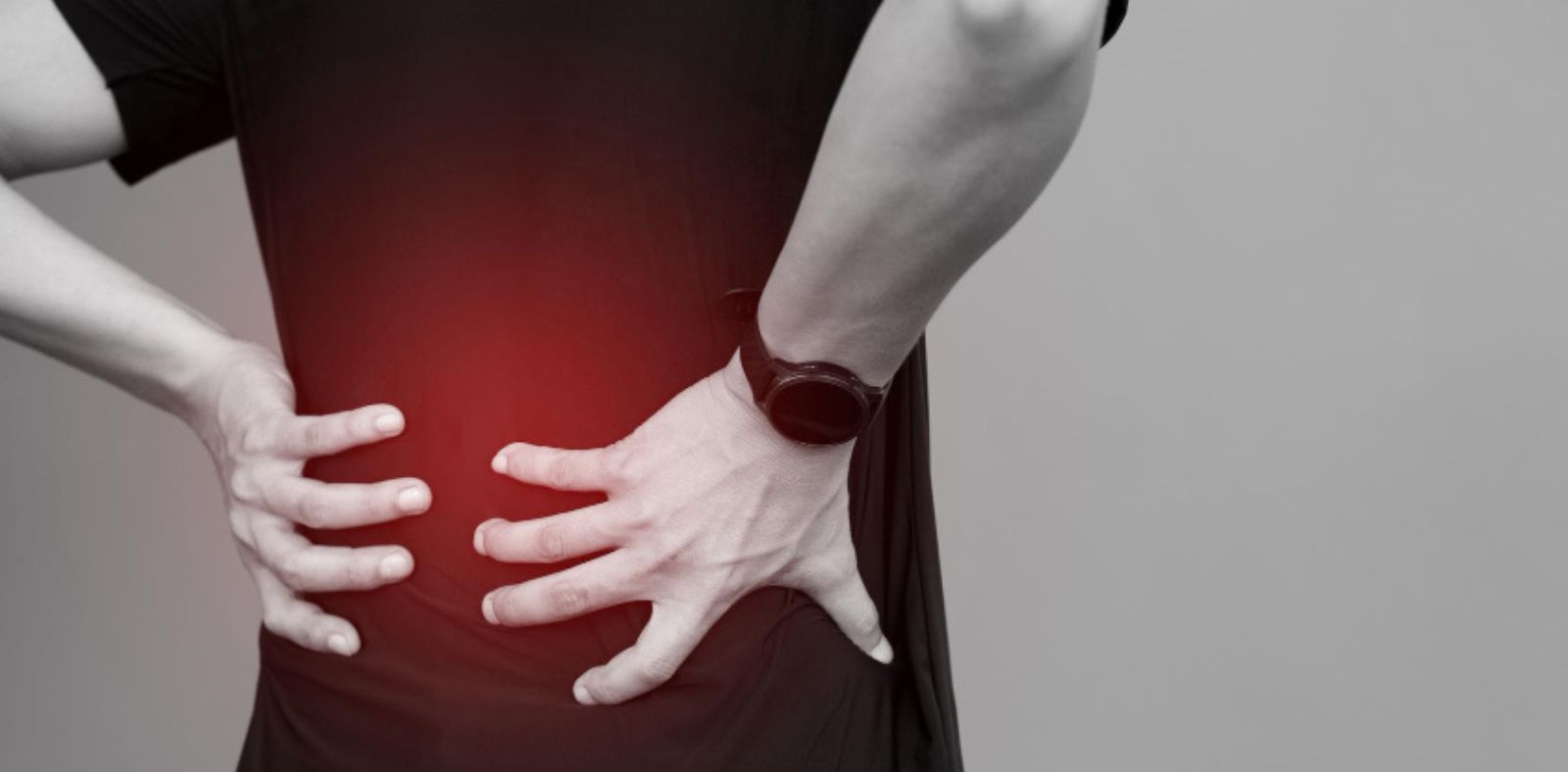

Back pain is one of the most common health problems people face today. It can affect anyone, including office workers, athletes, homemakers and older adults. Some people feel a dull ache after sitting for long hours, while others struggle with sharp pain that makes movement difficult. In many cases, back pain starts slowly and becomes worse over time because the real cause is ignored.
Pain in the lower back may have a very different cause compared to pain in the upper back or neck. Some types of pain are linked to posture, while others may happen because of injuries, inflammation or nerve problems.
This article explains the common types of back pain and causes, symptoms, warning signs and treatment options. It also helps you understand when you should get professional care from a physiotherapist or doctor.
What is Back Pain?
Back pain refers to discomfort, stiffness or pain felt anywhere along the spine. The spine supports body movement, posture and balance. When muscles, joints, discs, nerves or ligaments become strained or damaged, pain can develop.
The pain may be mild and temporary or severe and long-lasting. Some people feel pain only during movement, while others experience constant discomfort even while resting.
The back is mainly divided into three areas:
- Cervical spine or neck
- Thoracic spine or upper and middle back
- Lumbar spine or lower back
Pain can occur in one area or spread to nearby regions depending on the underlying cause.
Types of Back Pain: Which One Do You Have?
Back pains can be of different types with certain meanings. If you have an idea what your concern specifically is, it could help get the proper treatment without losing time.
1. Lower Back Pain (Lumbar)
Lower back pain is the most common type of back pain. It affects the lumbar region, which carries most of the body’s weight. Common causes of lower back pain:
- Poor posture
- Sitting for long hours
- Muscle strain
- Heavy lifting
- Herniated disc
- Obesity
- Weak core muscles
- Symptoms
- Pain while bending or lifting
- Stiffness in the morning
- Muscle spasms
- Difficulty standing for long periods
- Pain that spreads to the hips or legs
Many people respond well to exercise physiotherapy and posture correction. Early lower back pain treatment can prevent chronic issues later.
2. Upper & Mid Back Pain (Thoracic)
Upper and middle back pain is less common but can still affect daily life. This area is connected to the rib cage, which makes it more stable. Upper back pain causes:
- Slouching while working
- Long hours on mobile phones
- Weak shoulder muscles
- Stress and muscle tension
- Injuries
- Poor sleeping posture
- Symptoms
- Burning or tightness between the shoulders
- Pain during deep breathing
- Shoulder stiffness
- Muscle knots
Upper back pain improves with stretching, ergonomic changes and physiotherapy.
3. Neck & Cervical Spine Pain
Pain in the cervical spine affects the neck and surrounding muscles. It is becoming more common because of prolonged screen use. Common causes:
- Looking down at phones
- Poor workstation setup
- Cervical spondylosis
- Sudden jerky movement
- Sleeping without neck support
- Symptoms
- Neck stiffness
- Headaches
- Pain while turning the head
- Tingling in the arms
- Shoulder pain
Ignoring neck pain may lead to nerve compression and reduced mobility.
4. Radiating Back Pain (Pain That Travels)
Radiating pain starts in one area and travels to another body part. It usually happens because of nerve irritation. Common causes:
- Sciatica
- Herniated disc
- Spinal stenosis
- Nerve compression
- Symptoms
- Sharp shooting pain
- Tingling sensation
- Numbness
- Pain traveling down the leg or arm
- Weakness in muscles
5. Inflammatory Back Pain
Inflammatory back pain develops because of inflammation in the joints or spine. It is different from mechanical back pain. Common causes:
- Ankylosing spondylitis
- Autoimmune conditions
- Arthritis
- Symptoms
- Morning stiffness lasting over 30 minutes
- Pain improves with activity
- Fatigue
- Pain during rest
This type of pain is more common in younger adults and should not be ignored.
6. Postural Back Pain
Postural pain develops gradually because of poor body alignment during sitting, standing, or walking. Common causes:
- Desk jobs
- Poor posture while using laptops
- Weak back muscles
- Lack of movement
- Symptoms
- Dull aching pain
- Pain after long sitting hours
- Tight shoulders
- Rounded back posture
Postural pain usually improves with strengthening exercises, stretching, and ergonomic correction.
7. Chronic Back Pain
Back pain that lasts for more than 12 weeks is called chronic back pain. Common causes:
- Untreated injuries
- Disc degeneration
- Arthritis
- Stress
- Poor physical conditioning
- Symptoms
- Constant discomfort
- Reduced flexibility
- Difficulty performing daily tasks
- Sleep disturbances
Many patients seek chronic back pain relief in Ahmedabad clinics for long-term management through physiotherapy rehabilitation and lifestyle changes.
What Is Actually Causing Your Back Pain?
There are many possible causes of back pain. Some are temporary while others need medical attention.
- Muscle and ligament strain: Overuse, sudden movements, or lifting heavy objects can strain muscles.
- Poor posture: Slouching puts pressure on the spine and surrounding muscles.
- Disc problems: Bulging or slipped discs can compress nearby nerves.
- Sedentary lifestyle: Lack of movement weakens muscles that support the spine.
- Obesity: Extra body weight increases pressure on the lower back.
- Stress: Mental stress can tighten muscles and worsen pain.
- Age-related changes: As people age, spinal discs lose flexibility and cushioning.
- Injuries: Sports accidents, falls or road injuries may damage the spine.
Identifying the exact cause helps doctors and physiotherapists choose the right treatment plan.
Back Pain Symptoms: What Your Pain Is Telling You
Different symptoms can point to different causes of back pain. Common back pain symptoms:
- Dull aching pain
- Sharp stabbing pain
- Stiffness
- Burning sensation
- Muscle tightness
- Pain during movement
- Tingling or numbness
- Weakness in arms or legs
Pain that improves with rest is usually muscular. Pain with numbness, tingling, or weakness may involve nerves. Keeping track of when the pain occurs and what makes it worse can help during diagnosis.
Red Flag Symptoms That Need Immediate Medical Attention
Some symptoms should never be ignored because they may indicate serious problems. Seek immediate medical care if you have:
- Loss of bladder or bowel control
- Sudden leg weakness
- Severe pain after a fall or accident
- Fever with back pain
- Unexplained weight loss
- Numbness around the groin
- Pain that wakes you at night
- Persistent pain despite treatment
These symptoms may be linked to infections, fractures, or nerve emergencies.
How Is Back Pain Diagnosed?
Doctors and physiotherapists diagnose back pain through physical examination and medical history. Common diagnostic methods:
- Posture assessment
- Movement testing
- Neurological examination
- X-rays
- MRI scans
- CT scans
Your healthcare provider may ask:
- When did the pain start?
- What activities worsen the pain?
- Does the pain travel to the legs or arms?
- Is there numbness or weakness?
Accurate diagnosis helps avoid unnecessary treatments.
Treatment Options for Back Pain
Back pain treatment depends on the cause, severity and duration of symptoms. Most patients improve with conservative treatments such as rest, medications, physiotherapy and lifestyle changes.
Different treatment options available for back pain include:
Home Remedies
Mild back pain improves with self-care. You can do the following:
- Helpful home remedies
- Apply hot or cold packs
- Gentle stretching
- Light walking
- Correct posture
- Use supportive chairs and mattresses
- Avoid prolonged bed rest
Staying active usually helps recovery faster than complete rest.
Physiotherapy
Physiotherapy is one of the most effective treatments for many types of back pain. Benefits of physiotherapy:
- Reduces pain naturally
- Improves flexibility
- Strengthens muscles
- Corrects posture
- Prevents recurrence
A physiotherapist creates a personalized exercise program based on your condition. Common techniques include:
- Manual therapy
- Dry needling
- Stretching exercises
- Core strengthening
- Electrotherapy
- Medications
Doctors may prescribe medicines for short-term pain relief. Common medications:
- Pain relievers
- Muscle relaxants
- Anti-inflammatory drugs
Medication should only be used under medical supervision, especially for long-term pain.
Advanced Treatments
If conservative treatment does not help, doctors may recommend advanced options. Advanced treatments include:
- Steroid injections
- Nerve blocks
- Radiofrequency therapy
- Surgery in severe cases
Most patients improve without surgery when treatment starts early.
Back Pain Treatment at Aalayam Rehab Ahmedabad
Aalayam Rehab offers rehabilitation and physiotherapy services for people dealing with different types of back pain. Treatment plans are usually designed according to the patient’s symptoms, lifestyle and movement limitations.
Patients with posture-related pain, sports injuries, cervical pain and chronic lower back pain may benefit from:
- Personal physiotherapy sessions
- Strengthening exercises
- Posture correction
- Pain management therapies
- Rehabilitation programs
Professional guidance can help reduce pain, improve mobility and prevent future flare-ups.
Quick Summary: Types of Back Pain at a Glance
| Type | Location | Key Symptom | Best First Step |
|---|---|---|---|
| Lower Back Pain | Lumbar region | Pain while bending | Physiotherapy |
| Upper Back Pain | Between shoulders | Tightness and stiffness | Posture correction |
| Neck Pain | Cervical spine | Neck stiffness | Lifestyle changes |
| Radiating Pain | Back to legs or arms | Tingling or numbness | Medical evaluation |
| Inflammatory Pain | Spine and joints | Morning stiffness | Specialist consultation |
| Postural Pain | Entire back | Pain after sitting | Stretching and exercise |
| Chronic Back Pain | Any back region | Long-lasting pain | Rehabilitation program |
Conclusion
Back pain can affect work, sleep, movement and overall quality of life. Some pain develops because of posture and muscle strain, while other forms may involve nerve inflammation or spinal conditions.
Ignoring symptoms can lead to long-term discomfort and reduced mobility. Early treatment through lifestyle changes, physiotherapy and medical care can make recovery easier and faster. If your pain is severe, persistent or associated with numbness, weakness or other warning signs, it is important to seek professional help without delay.
Simple daily habits such as regular exercise, correct posture and proper lifting techniques can go a long way in protecting your spine.
Frequently Asked Questions
Back pain may be serious if it causes numbness, weakness, fever, sudden weight loss or loss of bladder control. Pain after an injury should also be checked immediately.
Yes, regular exercise, maintaining good posture, stretching and strengthening your core muscles can help prevent recurring back pain.
Sleeping on your side with a pillow between your knees reduces spinal pressure. Some people also feel relief while sleeping on their back with a pillow under the knees.
Stress can tighten muscles, especially in the neck, shoulders and lower back. Long-term stress may worsen pain and stiffness.
You should see a doctor if pain lasts more than a few weeks, becomes severe, spreads to the legs or arms or affects daily activities.
Physiotherapy helps improve movement, strengthen muscles, reduce stiffness and lower the risk of future pain episodes.
Gentle walking improves blood flow, flexibility and muscle strength. It is recommended for mild to moderate back pain unless advised otherwise by a doctor.