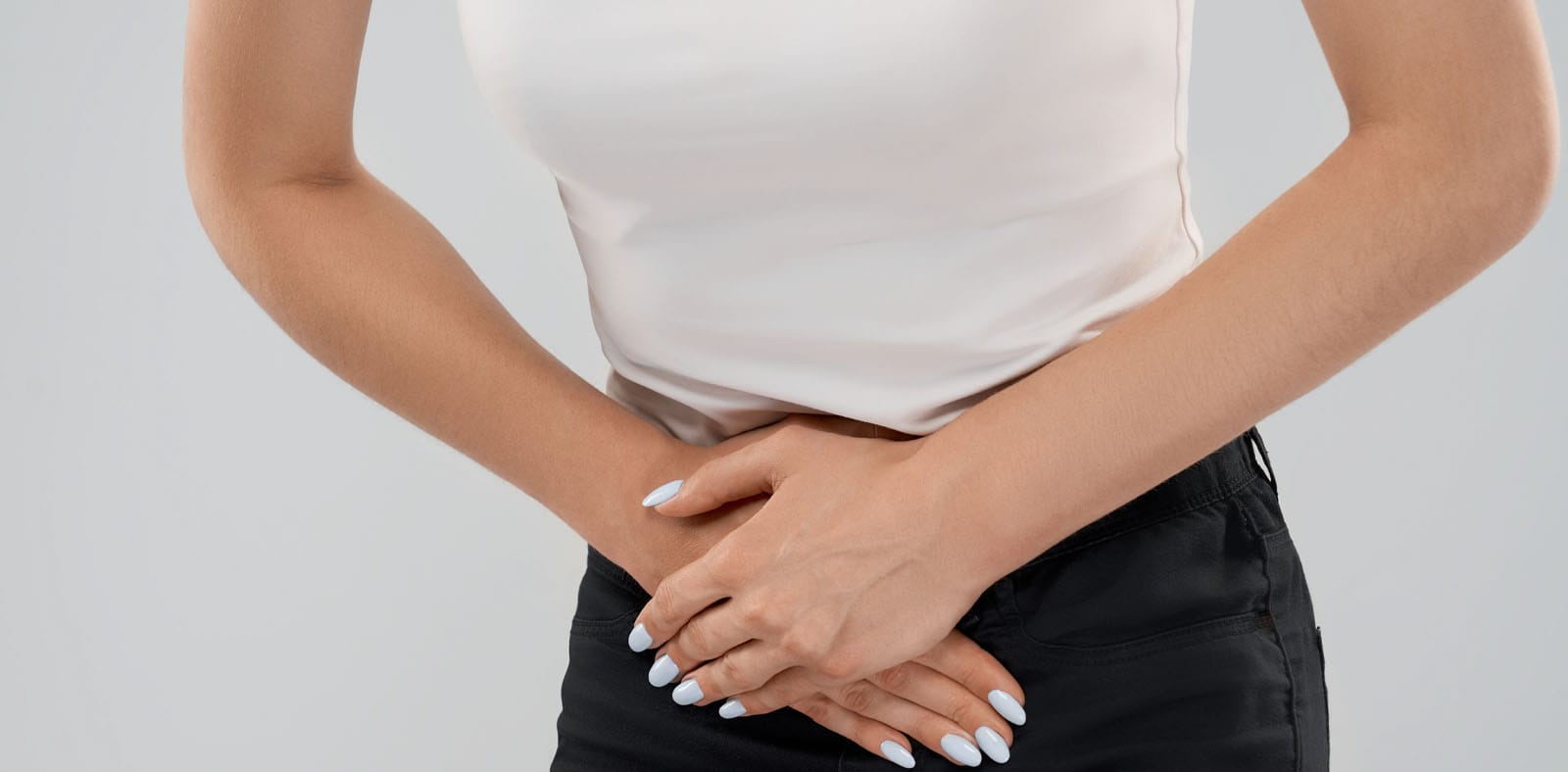
Childbirth can weaken the pelvic floor muscles and affect bladder control. Many women experience urine leakage after delivery, especially while coughing, sneezing, laughing, or lifting weights. This condition is called postpartum urinary incontinence and can affect daily comfort, sleep, confidence, and physical activity.
While Kegel exercises help some women, they may not fully solve the problem. Many mothers need a combination of medical guidance, pelvic floor rehabilitation, lifestyle changes, and advanced therapies. Understanding the right urinary incontinence after childbirth treatment can improve recovery and restore confidence.
This article explains the causes of postpartum urine leakage, symptoms to watch for, and treatment options beyond Kegels. It also covers non-surgical therapies, pelvic floor strengthening treatment, and advanced approaches like pelvic floor chair treatment for better postpartum recovery.
Why Does Urine Leakage Happen After Childbirth?
Urine leakage after delivery happens when pregnancy and childbirth weaken the pelvic floor muscles and bladder-supporting tissues. Vaginal delivery, prolonged labor, and hormonal changes can increase the risk.
During pregnancy, the growing uterus places pressure on the bladder and pelvic muscles. Childbirth may stretch or injure nerves and muscles that support bladder control. Some women also develop stress urinary incontinence, where urine leaks during physical movements or pressure changes.
Common risk factors include:
- Vaginal delivery
- Forceps-assisted birth
- Large baby weight
- Multiple pregnancies
- Obesity
- Chronic coughing
- Constipation
- Weak abdominal and pelvic muscles
Women with weak core muscles may notice slower recovery after childbirth because the abdominal and pelvic muscles work together to support posture and bladder function.
Types of Urinary Incontinence Seen After Childbirth
Urinary incontinence after childbirth affects many women and is usually caused by stretched pelvic floor muscles or nerve damage during delivery. The most common types include stress incontinence, urge incontinence, overflow incontinence, and mixed incontinence, all of which are highly treatable.
The four primary types of urinary incontinence experienced postpartum include:
1. Stress Urinary Incontinence (SUI)
This is the most common type of postpartum incontinence. It occurs when physical movements or activities put sudden extra pressure on your bladder and the muscles that control it.
- Triggers: Coughing, sneezing, laughing, exercising, or lifting heavy objects.
- Cause: Weakened pelvic floor muscles or a weakened urethral sphincter, usually resulting from the physical strain of carrying a baby or a vaginal delivery.
2. Urge Incontinence (Overactive Bladder)
Commonly referred to as an “overactive bladder,” this condition involves a sudden, intense urge to urinate, followed by involuntary leakage before you can make it to the toilet.
- Triggers: Hearing running water, a sudden change in temperature, or simply the sensation of a nearly full bladder.
- Cause: The bladder muscles contract involuntarily (usually due to mild nerve irritation during childbirth), creating a false signal that the bladder is full.
3. Mixed Incontinence
Many postpartum individuals experience a combination of both stress and urge incontinence.
- Symptoms: You might leak when you sneeze (stress incontinence), but also feel a sudden, uncontrollable need to pee that results in leakage (urge incontinence).
4. Overflow Incontinence
This condition occurs when the bladder is unable to empty. Because the bladder is chronically too full, the excess urine “overflows” and leaks out.
- Symptoms: A constant slow drip, hesitancy when starting the urine stream, or the feeling that your bladder is never quite empty.
- Cause: Usually triggered by temporary swelling, nerve damage from delivery, or prolonged labor.
What Are the Common Symptoms of Postpartum Urinary Incontinence?
Postpartum urinary incontinence causes involuntary urine leakage after childbirth. Symptoms may appear immediately after delivery or develop gradually during postpartum recovery.
Common symptoms include:
- Leakage while coughing or sneezing
- Urine leakage during exercise
- Sudden urge to urinate
- Frequent urination
- Difficulty holding urine
- Night-time bathroom visits
- Feeling of pelvic heaviness
Some women experience mild symptoms, while others face significant bladder control problems that interfere with daily activities and emotional well-being.
How Long Does Postpartum Urine Leakage Last?
Mild postpartum urine leakage may improve within a few weeks. Some women continue experiencing symptoms for months if pelvic muscles remain weak.
Recovery depends on:
| Factor | Effect on Recovery |
| Type of delivery | Vaginal delivery may increase pelvic strain |
| Muscle strength | Stronger pelvic muscles improve recovery |
| Body weight | Excess weight increases bladder pressure |
| Physical activity | Proper exercises support healing |
| Nerve injury | May delay bladder control recovery |
Women should seek medical evaluation if symptoms continue beyond three to six months after delivery.
When Should You Seek Medical Help?
Women should consult a specialist if urine leakage affects daily life or does not improve after postpartum recovery. Early treatment can prevent worsening symptoms.
Seek medical attention if you notice:
- Persistent leakage after several months
- Pain during urination
- Frequent urinary infections
- Sudden severe urgency
- Pelvic pain or pressure
- Leakage interfering with exercise or work
A pelvic health assessment helps identify the exact cause of bladder control problems and guides the right urinary incontinence treatment for women.
Why Kegel Exercises Alone May Not Be Enough?
Kegel exercises strengthen pelvic floor muscles, but they may not address all causes of urine leakage after childbirth. Incorrect technique and muscle imbalance can reduce their effectiveness.
Many women tighten the wrong muscles or fail to coordinate breathing and core activation. Some women also develop tight pelvic muscles instead of weak ones. In these cases, unsupervised exercises may worsen symptoms.
A complete pelvic floor strengthening treatment may include:
- Guided pelvic physiotherapy
- Biofeedback therapy
- Core strengthening
- Breathing correction
- Postural rehabilitation
- Bladder training
Women recovering after childbirth may also benefit from a structured posture correction program because poor posture increases abdominal pressure on the bladder.
Non-Surgical Treatment for Urine Leakage After Delivery
Non-surgical incontinence treatment focuses on improving muscle support and bladder control without surgery. These therapies help many women regain confidence and daily comfort.
1. Pelvic Floor Physiotherapy
Pelvic floor physiotherapy strengthens the muscles supporting the bladder, uterus, and bowel. It also improves coordination and pressure control.
Treatment may include:
- Pelvic muscle training
- Core stability exercises
- Manual therapy
- Breathing exercises
- Biofeedback sessions
- Functional movement correction
Women searching for postpartum pelvic rehabilitation may benefit from consulting specialists at a trusted physiotherapy centre in Ahmedabad, like Aalayam Rehab Care, to help improve bladder control and pelvic muscle strength after childbirth.
2. Bladder Training
Bladder training improves bladder control by increasing the time between bathroom visits. This method reduces urgency and accidental leakage.
Patients learn to:
- Schedule urination timings
- Delay urination gradually
- Avoid bladder irritants
- Improve fluid habits
3. Lifestyle Modifications
Simple daily changes can reduce stress urinary incontinence symptoms.
Helpful changes include:
- Weight management
- Avoiding constipation
- Limiting caffeine intake
- Staying physically active
- Quitting smoking
- Practicing proper lifting techniques
What Is Pelvic Floor Chair Treatment?
The Slimify Pelvic Chair is a non-surgical, non-invasive pelvic floor strengthening treatment that uses High-Intensity Focused Electromagnetic (HIFEM) technology to stimulate deep pelvic floor muscles while patients remain fully clothed and comfortably seated.
The treatment delivers thousands of powerful pelvic floor muscle contractions in a single session, helping strengthen muscles that may be difficult to activate through regular exercises alone.
Scientifically Designed Pelvic Floor Strengthening
- Up to 30,000 pelvic floor muscle contractions in a 30-minute session
- No surgery, needles, or downtime
- No physical exertion or recovery period required
- Comfortable chair-based therapy
- Suitable for both women and men
How Does the Slimify Pelvic Chair Work?
The treatment chair uses HIFEM technology to generate electromagnetic energy that stimulates deep pelvic floor muscles. During the session, patients simply sit on the chair while the muscles contract automatically.
These intense muscle contractions help improve pelvic muscle strength, bladder support, core stability, and overall pelvic floor function.
Treatment Features
- 30-minute sessions
- Fully clothed treatment
- No pain or discomfort
- No downtime after the procedure
- Quick and convenient sessions
What Can the Slimify Pelvic Chair Help With?
The treatment may help improve symptoms associated with:
- Urinary incontinence
- Pelvic floor muscle weakness
- Postpartum pelvic weakness
- Reduced bladder control
- Sexual wellness concerns
- Prostate-related pelvic discomfort
- Age-related pelvic muscle decline
How Does Pelvic Floor Rehabilitation Improve Women’s Pelvic Health?
Pelvic rehabilitation restores muscle coordination, posture, breathing mechanics, and core stability. These factors work together to improve women’s pelvic health.
A comprehensive rehabilitation program addresses:
- Pelvic muscle weakness
- Core instability
- Postural imbalance
- Scar tissue tightness
- Breathing dysfunction
- Movement-related leakage
Consulting an experienced physiotherapist in Ahmedabad at Aalayam Rehab Care may help improve pelvic muscle coordination and bladder control after childbirth.
Can Stress Urinary Incontinence Improve Without Surgery?
Yes, many women with stress urinary incontinence improve through conservative treatment methods. Early intervention gives better long-term results.
Non-surgical approaches may significantly reduce symptoms through:
- Pelvic floor strengthening treatment
- Core rehabilitation
- Lifestyle changes
- Bladder retraining
- Pelvic floor chair treatment
- Weight management
Surgery is usually considered only when conservative treatments fail to provide adequate improvement.
Tips to Support Postpartum Recovery and Bladder Health
Healthy postpartum recovery habits can improve muscle healing and bladder function after childbirth.
Helpful recovery tips include:
- Avoid heavy lifting early postpartum
- Maintain healthy bowel habits
- Practice guided exercises regularly
- Stay hydrated
- Avoid excessive straining
- Support core muscle recovery
- Sleep adequately when possible
Women should avoid starting intense abdominal exercises without proper guidance because incorrect workouts may increase pelvic pressure.
Conclusion
Urine leakage after childbirth is common, but it should not become a long-term struggle. Many women improve through pelvic floor strengthening treatment, physiotherapy, bladder retraining, and advanced non-surgical incontinence treatment options. Early care can improve bladder control, physical comfort, and confidence during postpartum recovery.
Women experiencing persistent bladder control problems should seek professional evaluation for personalized urinary incontinence after childbirth treatment. Modern therapies, including pelvic floor chair treatment and guided rehabilitation, provide effective support for women’s pelvic health and long-term recovery.
Frequently Asked Questions
Yes, mild urine leakage after childbirth is common because pregnancy and delivery can weaken the pelvic floor muscles and bladder support. Many women experience leakage while coughing, sneezing, or exercising. However, persistent symptoms lasting several months should be evaluated to prevent long-term pelvic floor dysfunction and bladder control problems.
Postpartum urinary incontinence may improve within a few weeks for some women, while others continue experiencing symptoms for several months. Recovery depends on pelvic floor muscle strength, type of delivery, nerve involvement, and overall postpartum healing. Early pelvic rehabilitation and bladder strengthening treatments may improve recovery outcomes significantly.
Yes, many women improve through non-surgical urinary incontinence treatment options. Pelvic floor physiotherapy, lifestyle modifications, bladder retraining, and pelvic floor strengthening treatment can help improve bladder control and reduce leakage episodes after childbirth. Advanced therapies like Pelvic Floor Chair treatment may also support long-term pelvic muscle recovery and improve overall pelvic function.
The best treatment depends on the severity of pelvic floor weakness and bladder symptoms. Many women benefit from a combination of pelvic floor physiotherapy, bladder retraining, guided exercises, lifestyle modifications, and Pelvic Floor Chair therapy. Early treatment improves recovery, bladder support, and long-term pelvic health outcomes.
No, Pelvic Floor Chair treatment is generally painless and non-invasive. Most patients experience strong but comfortable pelvic muscle contractions during the session while remaining fully clothed and seated. The procedure does not require anesthesia, surgery, needles, or downtime, making it a convenient pelvic floor strengthening treatment option.
The number of sessions varies depending on pelvic floor weakness, symptom severity, and individual treatment goals. Many women require multiple sessions over several weeks for optimal pelvic floor strengthening and bladder control improvement. A specialist usually recommends a personalized treatment plan after evaluating pelvic muscle function and symptoms.
Yes, women may still develop bladder control problems after a C-section. Pregnancy itself places pressure on pelvic muscles, nerves, and connective tissues. Hormonal changes, abdominal weakness, and reduced core stability can also contribute to postpartum urinary incontinence, even without vaginal delivery
Several treatments may help beyond kegels, including bladder training, pelvic floor physiotherapy, lifestyle changes, core strengthening, and pelvic floor chair treatment. A personalized urinary incontinence treatment for women can improve pelvic muscle coordination, reduce leakage episodes, and support long-term pelvic health.