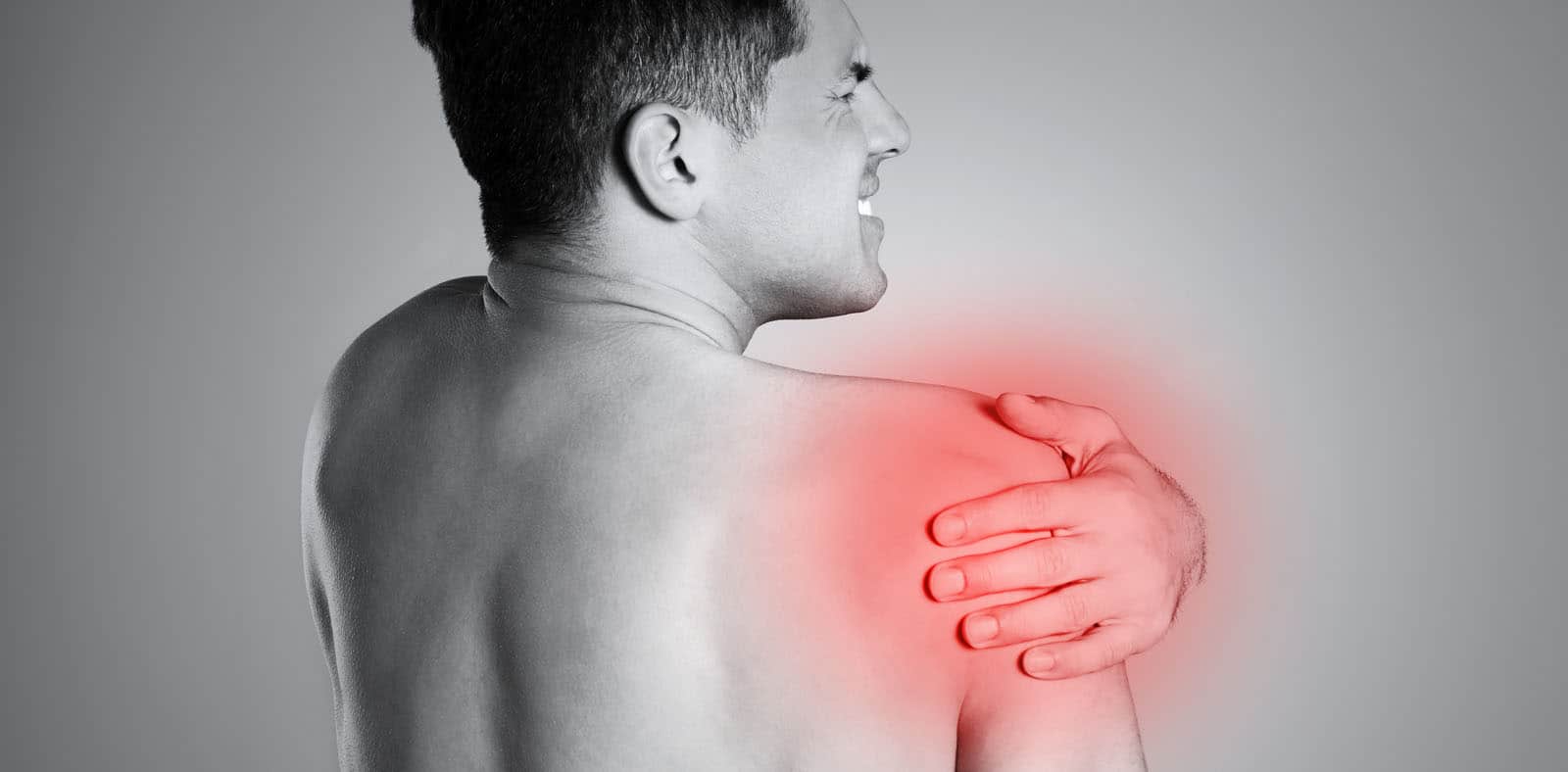
Shoulder pain and stiffness can make even simple daily activities difficult. Many people struggle to lift their arms, wear clothes comfortably, or sleep peacefully once a frozen shoulder develops. This condition gradually limits shoulder movement and may worsen without proper care.
The good news is that surgery is not the only solution. Several effective therapies can help reduce pain, improve movement, and support recovery naturally. Aalayam Rehab Care is a trusted pain clinic in Ahmedabad offering non-surgical therapies for frozen shoulder and chronic musculoskeletal pain.
This article explains the best options for managing frozen shoulder without surgery, including exercises, rehabilitation methods, pain relief therapies, and recovery expectations. If you are searching for the best non-surgical frozen shoulder treatment, understanding your options can help you begin recovery early and avoid long-term stiffness.
What is Frozen Shoulder?
Frozen shoulder is a condition that causes pain, stiffness, and restricted shoulder movement. Doctors also call it adhesive capsulitis treatment when referring to its medical management.
The condition develops when the tissue surrounding the shoulder joint becomes inflamed and tight. Over time, thickened tissue and scar formation restrict shoulder movement. This stiffness may gradually worsen over several months.
Frozen shoulder usually affects one shoulder at a time. The condition can make everyday activities painful and frustrating.
Commonly affected movements include:
- Reaching overhead
- Lifting objects
- Rotating the shoulder
- Wearing clothes
- Combing hair
- Driving
Early diagnosis and treatment help reduce pain and improve recovery outcomes.
What Causes Frozen Shoulder?
Frozen shoulder develops due to inflammation and tightening around the shoulder joint capsule. Certain health conditions and injuries increase the risk significantly.
Common frozen shoulder causes include:
- Diabetes
- Shoulder injuries
- Rotator cuff disorders
- Thyroid disease
- Stroke recovery
- Prolonged shoulder immobility
- Previous shoulder surgery
Learning about frozen shoulder causes, symptoms, and treatment helps patients recognize early warning signs before stiffness becomes severe.
Who is at Higher Risk of Frozen Shoulder?
Adults between 40 and 60 years have a higher risk of developing frozen shoulder. Women are affected more frequently than men.
Several factors increase the likelihood of this condition.
| Risk Factor | Effect on the Shoulder |
| Diabetes | Increases connective tissue stiffness |
| Shoulder injury | Reduces movement during healing |
| Surgery recovery | Causes prolonged immobility |
| Thyroid disorders | Affects joint and muscle health |
| Sedentary lifestyle | Reduces shoulder flexibility |
Patients with diabetes may experience longer recovery periods than others.
What Are the Symptoms of Frozen Shoulder?
Frozen shoulder symptoms include shoulder pain, stiffness, and limited range of motion. Many patients also experience worsening discomfort at night.
Symptoms usually progress slowly in stages.
Freezing Stage
The freezing stage causes increasing pain and gradual movement restriction. This phase may last several months.
Common symptoms include:
- Persistent shoulder pain
- Pain during movement
- Difficulty sleeping on the affected side
- Reduced arm mobility
- Muscle tightness
Frozen Stage
During this stage, stiffness becomes severe while pain may slightly reduce. Daily tasks become more difficult.
Patients may struggle with:
- Reaching shelves
- Wearing shirts
- Hair grooming
- Reaching behind the back
- Driving comfortably
Thawing Stage
The thawing stage involves gradual shoulder mobility improvement. Movement slowly returns with proper rehabilitation and therapy.
Can Frozen Shoulder Heal Without Surgery?
Yes, many patients recover successfully without surgery through structured rehabilitation and pain management therapies. Early intervention improves shoulder recovery significantly.
The best treatment for frozen shoulder usually combines several therapies rather than relying on a single approach.
Options for Non-surgical Treatment of Frozen Shoulder
Non-surgical treatment for frozen shoulder focuses on reducing pain and restoring mobility. Primary options include structured physical therapy, anti-inflammatory medications, corticosteroid injections, and hydrodilatation. Most patients recover without surgery.
The non-surgical options for frozen shoulder treatment include:
1. Frozen Shoulder Physiotherapy
Frozen shoulder physiotherapy helps improve movement, reduce stiffness, and restore shoulder function gradually. It remains one of the most effective treatment options for adhesive capsulitis.
A physiotherapist may recommend:
- Joint mobilization techniques
- Stretching exercises
- Strengthening exercises
- Heat therapy
- Manual therapy
- Postural correction techniques
Professional physiotherapy for shoulder pain focuses on improving flexibility without worsening inflammation or causing excessive discomfort. Patients should perform exercises regularly for the best results.
2. Frozen Shoulder Exercises
Frozen shoulder exercises help maintain shoulder flexibility and improve mobility over time. Gentle stretching prevents worsening stiffness.
Some commonly recommended exercises include:
a. Pendulum Stretch
This exercise helps relax the shoulder joint gently.
Steps include:
- Lean slightly forward
- Allow the affected arm to hang freely
- Move the arm in small circular motions
- Repeat for 1-2 minutes
b. Wall Climbing Exercise
This exercise improves shoulder elevation gradually.
Steps include:
- Face a wall
- Walk your fingers upward slowly
- Raise the arm comfortably
- Hold briefly before lowering
c. Cross-Body Stretch
This stretch improves shoulder flexibility.
Steps include:
- Pull the affected arm across the chest
- Hold the stretch gently
- Maintain for 20-30 seconds
- Repeat several times daily
These frozen shoulder exercises should remain gentle and controlled. Forceful stretching may worsen pain and inflammation.
3. Pain Management Therapies for Frozen Shoulder
Pain management therapies reduce inflammation and improve comfort during rehabilitation. Pain control helps patients participate in exercises more effectively.
Treatment methods may include:
- Heat therapy
- Ultrasound therapy
- Trigger point release
- Soft tissue mobilization
- Anti-inflammatory medication
- Electrical stimulation therapies
Many patients rightly seek shoulder pain treatment early to avoid severe stiffness and prolonged recovery.
4. Cold Laser Therapy for Shoulder Pain
Cold laser therapy for shoulder pain uses low-level laser energy to support healing and reduce inflammation naturally.
Potential benefits include:
- Reduced pain
- Improved blood circulation
- Faster tissue repair
- Reduced muscle tightness
- Better shoulder movement
This therapy remains non-invasive and painless. Many rehabilitation clinics combine laser therapy with physiotherapy for better results.
5. Nano Current Therapy
Nano current therapy uses ultra-low electrical currents to stimulate tissue repair and pain reduction.
This therapy may help:
- Reduce inflammation
- Improve cellular healing
- Relieve chronic pain
- Improve shoulder comfort
- Support faster recovery
Patients with persistent pain sometimes benefit from combining nano current therapy with rehabilitation exercises.
6. eLaserCalmative Therapy
eLaserCalmative therapy may help patients experiencing severe pain and muscle tightness associated with frozen shoulder.
The therapy aims to:
- Calm irritated tissues
- Reduce shoulder discomfort
- Relax the surrounding muscles
- Support rehabilitation exercises
Advanced therapies such as eLaserCalmative therapy are sometimes included in modern pain management programs for chronic shoulder conditions.
7. Posture Correction Treatment
Poor posture can worsen shoulder stiffness and increase muscle strain. Rounded shoulders and forward head posture place extra pressure on the shoulder joint.
Posture-related problems may contribute to:
- Muscle tightness
- Neck pain
- Reduced shoulder movement
- Increased joint stress
Posture correction treatment may help improve shoulder alignment and reduce long-term strain on surrounding muscles and joints.
How Long Does Frozen Shoulder Recovery Take?
Frozen shoulder recovery can take several months to two years, depending on symptom severity and treatment consistency.
Recovery usually occurs gradually through different stages.
| Recovery Stage | Duration | Main Features |
| Freezing Stage | 2-9 months | Increasing pain and stiffness |
| Frozen Stage | 4-12 months | Severe movement restriction |
| Thawing Stage | 6-24 months | Gradual mobility improvement |
Early rehabilitation and regular therapy may shorten recovery time significantly.
What Helps With Shoulder Stiffness Relief?
Shoulder stiffness relief improves with regular exercises, posture correction, and regular movement. Daily care plays an important role in recovery.
Helpful lifestyle measures include:
- Avoiding prolonged inactivity
- Applying heat before exercises
- Maintaining good posture
- Sleeping with shoulder support
- Performing stretches regularly
These habits support shoulder mobility improvement and reduce long-term joint stiffness.
When Should You See a Doctor?
You should consult a doctor if shoulder pain persists for several weeks or movement becomes severely restricted.
Seek medical care if you experience:
- Severe night pain
- Sudden movement loss
- Weakness in the arm
- Persistent stiffness
- Difficulty performing daily activities
Consulting a qualified physiotherapist in Ahmedabad at Aalayam Rehab Care can help patients receive personalized rehabilitation plans based on symptom severity and mobility limitations.
Conclusion
Frozen shoulder can affect daily life, sleep quality, and arm movement significantly. However, many patients recover successfully without surgery through structured rehabilitation and consistent therapy.
Treatments such as frozen shoulder physiotherapy, stretching exercises, laser therapy, posture correction, and pain management can help reduce pain and restore movement gradually. Early care usually improves outcomes and prevents severe stiffness.
If you are looking for effective shoulder pain treatment and long-term recovery support, consulting specialists at Aalayam Rehan Care may help improve mobility, reduce discomfort, and support safe frozen shoulder recovery.
Frequently Asked Questions
The best treatment for frozen shoulder usually combines physiotherapy, stretching exercises, pain management, and posture correction. Early rehabilitation improves mobility and reduces stiffness gradually. Some patients also benefit from laser therapy and manual therapy to improve comfort and support faster recovery.
Yes, frozen shoulder may improve naturally over time, but recovery can take several months or even years. Without treatment, stiffness may become severe, and daily activities may remain difficult. Physiotherapy and guided exercises usually help improve movement and shorten recovery duration significantly.
Mild discomfort during exercises is normal, but severe pain should be avoided. Exercises should remain gentle and controlled to prevent worsening inflammation. A physiotherapist can guide patients on safe stretching techniques that improve flexibility without placing excessive stress on the shoulder joint.
Frozen shoulder recovery may take six months to two years, depending on the severity of stiffness and treatment consistency. Early intervention, regular exercises, and structured rehabilitation can improve healing speed and restore shoulder movement more effectively than delaying treatment.
Yes, poor posture can increase shoulder strain and worsen stiffness. Rounded shoulders and prolonged sitting positions place extra pressure on surrounding muscles and joints. Posture correction treatment may help improve alignment, reduce tension, and support better shoulder mobility during recovery.
You should visit a pain clinic if shoulder pain persists for weeks, movement becomes severely restricted, or sleep gets disturbed regularly. Early treatment at a specialized pain clinic in Ahmedabad, like Aalayam Rehab Care, can help prevent worsening stiffness and improve recovery through personalized rehabilitation programs.