
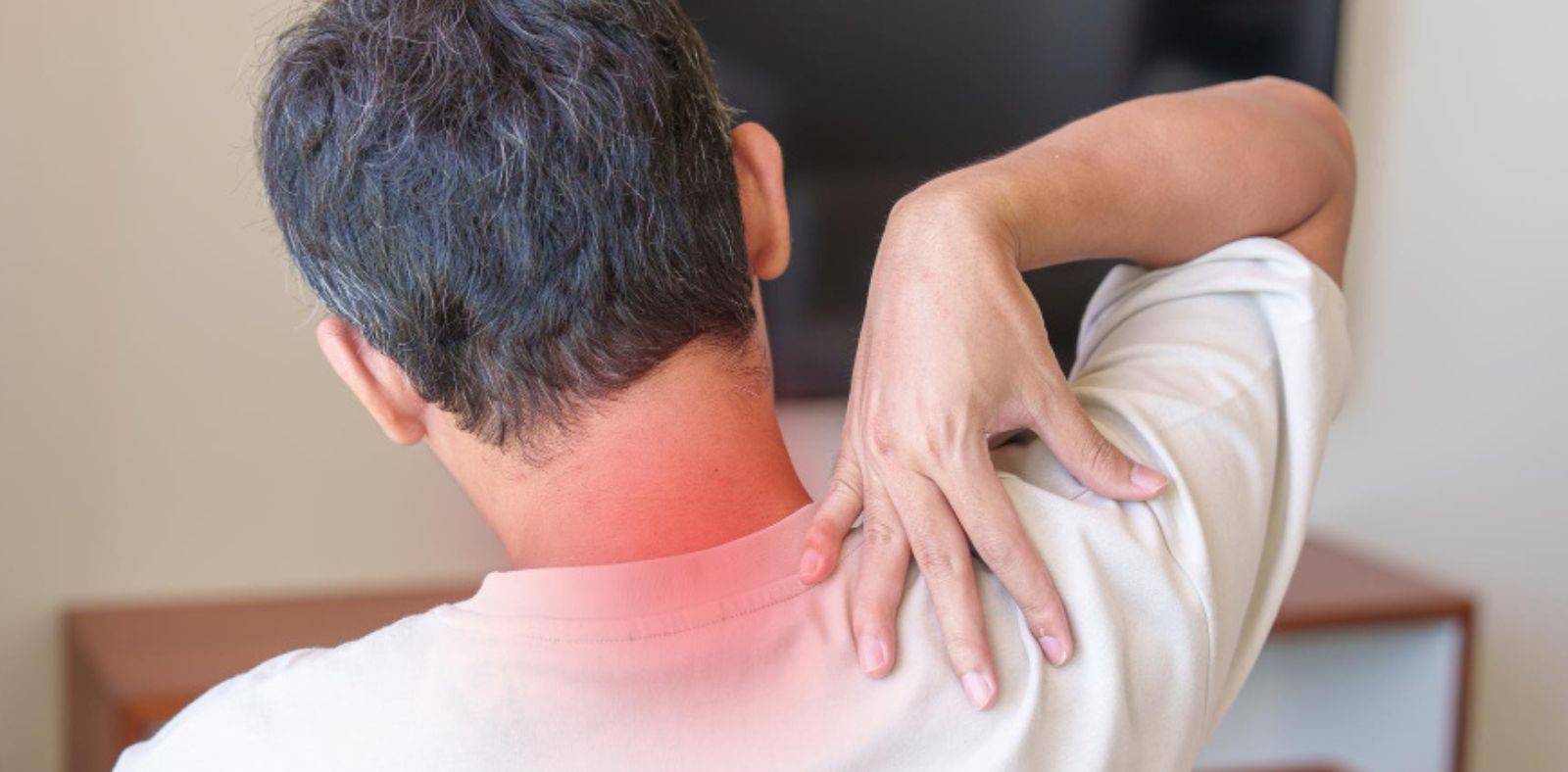
Neck pain can make simple activities such as working at a computer, driving, exercising, or sleeping uncomfortable. It may develop from muscle strain, poor posture, an awkward sleeping position, injury, or changes affecting the cervical spine.
Some people experience a dull ache or stiffness, while others develop sharper pain that spreads towards the shoulders, upper back, or arms. Most uncomplicated episodes improve with appropriate self-care, gentle movement, and time, but persistent or severe symptoms may need medical assessment.
Understanding possible neck pain causes can help you choose safer ways to manage symptoms and reduce repeated strain. In this article, we will discuss common symptoms and causes, treatment options, exercises, home remedies, sleeping positions, and when to consult a doctor for further evaluation.
What is Neck Pain?
Neck pain refers to discomfort affecting the muscles, joints, bones, discs, ligaments, or nerves in the cervical region. It may remain localised to the neck or extend towards the head, shoulders, upper back, or arms.
Common patterns include:
- Muscle-related pain: Often linked with strain, tension, overuse, or prolonged posture.
- Joint-related pain: May develop from age-related wear or arthritis.
- Disc-related pain: A damaged or bulging disc may irritate nearby structures.
- Nerve-related pain: Nerve compression can cause pain, tingling, numbness, or weakness in an arm.
What Are the Common Neck Pain Symptoms?
Neck pain symptoms can range from mild stiffness to severe discomfort that limits movement or daily activities. Symptoms may stay around the neck or spread towards the shoulders, head, upper back, or arms.
Common symptoms include:
- Aching or soreness
- Neck stiffness or reduced movement
- Muscle tightness or spasms
- Pain after holding the head in one position
- Neck and shoulder pain
- Headache associated with neck tension
- Tingling, numbness, or weakness in an arm or hand
Severe neck pain with progressive weakness, significant numbness, loss of balance, or symptoms after a major injury should be medically assessed promptly.
What Causes Neck Pain?
Common neck pain causes include muscle strain, poor posture, prolonged screen use, awkward sleeping positions, injury, and age-related cervical spine changes. More than one factor may contribute to the pain.
1. Poor Posture and Screen Time
Keeping the head bent forward for long periods can strain muscles around the neck and shoulders. Computer work, smartphone use, reading, and driving may contribute when posture is poorly supported.
Placing screens near eye level, supporting the arms, changing position, and taking regular movement breaks can reduce repeated strain.
2. Neck Pain After Sleeping
Neck pain after sleeping may develop when the head remains in an uncomfortable position for several hours. A pillow that is too high, low, or poorly supportive can contribute.
3. Muscle Strain and Injury
Sudden movements, lifting, exercise, repetitive tasks, or minor injuries can strain neck muscles. Whiplash after a vehicle collision can also affect the soft tissues of the neck. Muscle strain may cause soreness, stiffness, tenderness, and reduced movement.
4. Cervical Spondylosis and Disc Problems
Age-related changes can affect the joints and discs in the cervical spine. These changes may cause stiffness and pain and sometimes narrow the space around spinal nerves. A bulging or herniated cervical disc can irritate a nerve, causing pain, tingling, numbness, or weakness that travels into the shoulder or arm.
5. Stress and Muscle Tension
Stress can increase muscle tension around the neck and shoulders and may worsen existing discomfort. Movement, regular breaks, and relaxation techniques may help.
Why Does Neck Pain Occur on One Side or with Shoulder Pain?
Neck pain on the left or right side is often linked with muscle strain, sleeping position, posture, or joint irritation. Neck and shoulder pain can also occur together because many muscles supporting these regions work closely during movement.
Possible triggers include:
- Sleeping with the neck rotated
- Carrying a heavy bag on one side
- Working with the head turned repeatedly
- Muscle spasm
- Repetitive upper-body movements
- Poor workstation setup
Pain that travels down the arm or occurs with tingling, numbness, or weakness may indicate nerve involvement and should be assessed.
What Are the Treatment Options for Neck Pain?
Neck pain treatment depends on the cause, severity, duration, and whether nerves or other structures are involved. Many uncomplicated cases can be managed conservatively without surgery.
1. Physiotherapy
Physiotherapy for neck pain can improve mobility, strength, posture, and movement habits. A programme may include:
- Range-of-motion exercises
- Gentle stretching
- Neck and upper-back strengthening
- Postural training
- Shoulder-blade strengthening
- Advice on work and daily activities
Physiotherapy exercises for neck pain should be introduced gradually, particularly after an injury or during an acute painful episode.
2. Pain Relief Medication
Over-the-counter pain-relieving or anti-inflammatory medicines may be suitable for some people with short-term neck pain. The appropriate option depends on medical history, other medicines, and individual health factors.
People with other medical conditions, pregnancy, or regular medications should seek professional advice before starting pain medicines.
3. Neck Supports and Other Conservative Measures
A soft neck support or neck pain belt may occasionally be recommended for short-term use. Wearing a collar for too long can reduce muscle activity, so it should not become a routine long-term solution.
Other conservative measures may include guided exercise, activity modification, heat or cold, and gradual return to normal movement.
4. eLaserCalmative® Therapy for Neck Pain Relief
At Aalayam Rehab Care, eLaserCalmative® Therapy combines cold laser technology and nano-current bio-stimulation as a supportive approach to managing neck pain. Cold laser therapy may help reduce pain and inflammation, while nano-current stimulation is intended to support cellular activity and tissue recovery.
This non-invasive treatment may be incorporated alongside physiotherapy and rehabilitation exercises to help relieve discomfort, reduce stiffness, and improve neck mobility. However, evidence for nano-current therapy remains limited, and treatment effectiveness depends on the underlying cause of neck pain.
Which Exercises Can Help with Neck Pain?
Gentle neck pain exercises can support movement, reduce stiffness, and improve muscular control when suitable for the underlying problem. Exercises should not cause worsening arm pain, numbness, or weakness.
Common categories include:
- Range-of-motion exercises: Slow, comfortable head movements can help maintain mobility.
- Gentle stretches: Stretching neck, shoulder, and upper-back muscles may reduce stiffness.
- Strengthening exercises: Neck, upper-back, and shoulder-blade exercises can improve support.
- Postural exercises: These can reduce repeated forward-head positioning.
- Yoga for neck pain: Selected gentle poses may support flexibility and relaxation.
If pain follows a recent injury or is severe, seek guidance before starting a new exercise programme.
What Home Remedies Can Provide Neck Pain Relief?
Home remedies for neck pain may help mild muscle-related discomfort, particularly when combined with gentle movement and changes to the activity that triggered symptoms. The aim is to reduce discomfort without prolonged inactivity.
Helpful measures include:
- Applying heat or ice
- Taking regular breaks from screens
- Using a supportive pillow
- Avoiding heavy lifting during a flare
- Performing gentle range-of-motion movements
- Adjusting the workstation
- Staying active within comfortable limits
Heat or Ice: Which is Better for Neck Pain?
Both heat and ice can provide temporary neck pain relief. Ice is commonly used shortly after an acute strain or injury, while heat may feel more comfortable for muscle tightness or stiffness.
Use a barrier between the skin and an ice pack or heating pad. Avoid falling asleep with either in place, and stop if the method worsens symptoms.
What is the Best Sleeping Position for Neck Pain?
A suitable sleeping position for neck pain keeps the head and neck reasonably aligned with the rest of the spine. The pillow should support the neck without forcing the head sharply forward or sideways.
Helpful strategies include:
- Sleeping on the back with a supportive pillow
- Sleeping on the side with the head level
- Avoiding pillows that are excessively high or flat
- Choosing a pillow that supports the space between the neck and mattress
- Avoiding prolonged neck rotation during sleep
If you repeatedly wake with neck pain, reviewing pillow height, mattress support, and sleeping position may help identify a mechanical trigger.
Which Doctor Should You Consult for Neck Pain?
A general physician can assess most new episodes of neck pain and decide whether specialist evaluation is required. The right referral depends on the suspected cause and accompanying symptoms.
Possible referrals include:
- Orthopaedic specialist: For suspected spinal, joint, or structural problems.
- Neurologist: When nerve-related symptoms need evaluation.
- Physical medicine and rehabilitation specialist: For persistent musculoskeletal pain and functional limitations.
- Physiotherapist: For guided rehabilitation, strengthening, and movement correction.
When Should You Seek Medical Attention?
Most mild neck pain improves with conservative care, but certain symptoms should not be managed only with home remedies. Medical assessment is important when neurological symptoms or a significant injury is involved.
Seek medical advice if:
- Pain is severe or continues to worsen.
- Symptoms persist despite self-care.
- Pain spreads into an arm or leg.
- You develop tingling, numbness, or weakness.
- Neck pain follows a fall, collision, or significant injury.
- Pain repeatedly wakes you at night.
- You have difficulty walking or maintaining balance.
Urgent assessment is needed for severe neck stiffness with fever and headache, loss of bladder or bowel control, difficulty breathing or swallowing, or other sudden concerning symptoms.
Frequently Asked Questions
Minor muscle-related neck pain may improve within days to a few weeks. Recovery varies with the cause, severity, activity level, and whether the neck continues to be strained. Persistent or worsening symptoms should be medically assessed.
Neck pain may be more concerning after a major injury or when accompanied by weakness, numbness, balance problems, fever, severe headache, breathing or swallowing difficulty, or loss of bladder or bowel control. These symptoms require prompt medical attention.
Stress can contribute to muscle tension in the neck and shoulders and may worsen existing pain. Regular movement, relaxation techniques, adequate sleep, and addressing prolonged muscle tension may help reduce this component of discomfort.
A pillow that keeps the head too high, low, or rotated may strain the neck during sleep. A supportive pillow that keeps the head and neck aligned with the body may help reduce morning stiffness.
Yes. Tension in the neck muscles or irritation of structures in the upper cervical spine can sometimes contribute to headaches. The pain may begin around the neck or back of the head and spread towards the temples or forehead.
Yes. If a cervical nerve is irritated or compressed, neck pain may occur with tingling, numbness, or weakness in the shoulder, arm, hand, or fingers. Persistent or worsening neurological symptoms should be assessed by a doctor.