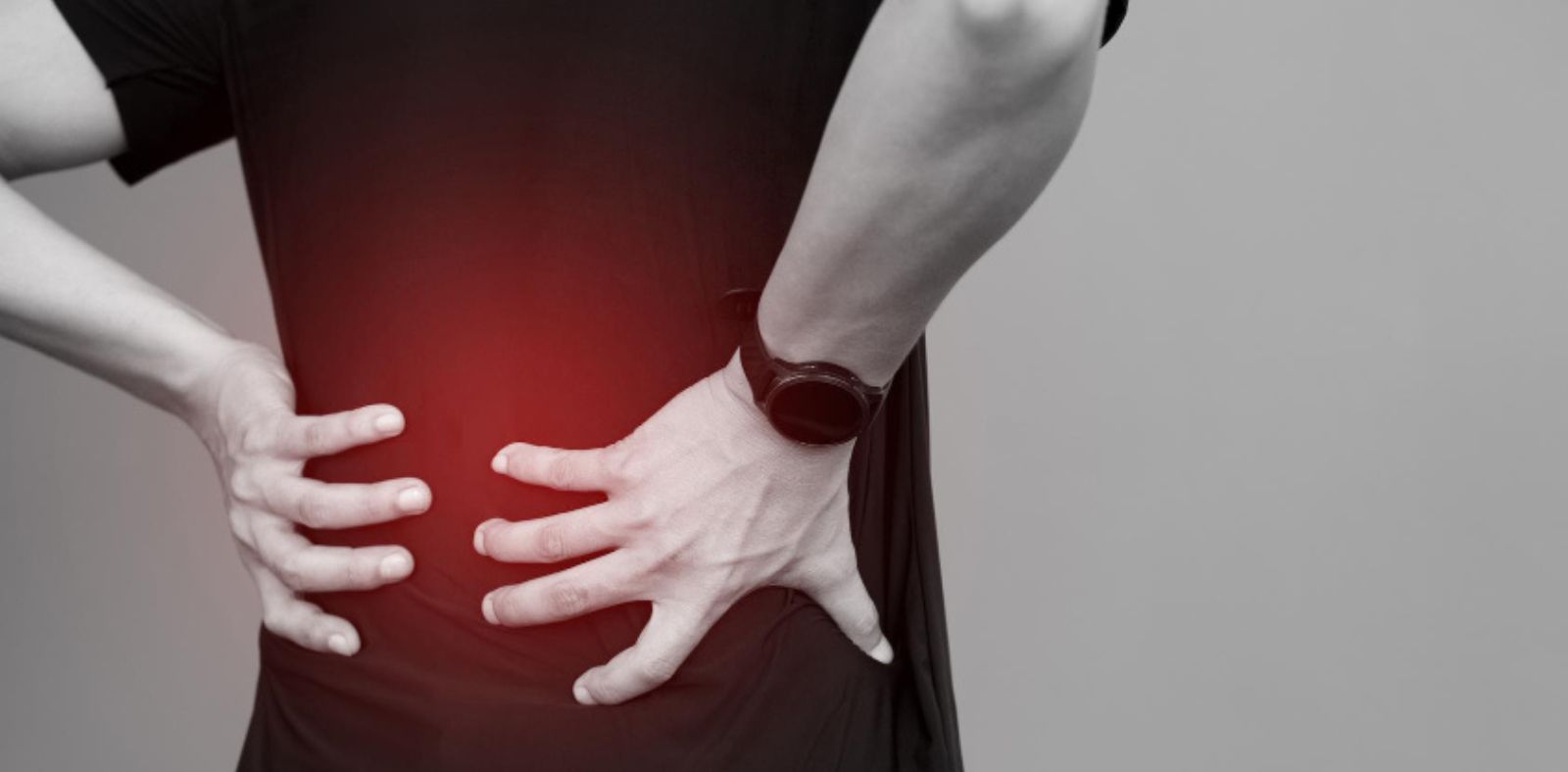

Sciatica pain can affect everyday activities such as walking, sitting, working, exercising, and sleeping. It commonly causes discomfort that begins around the lower back or buttock and travels down the leg along the path of the sciatic nerve.
The intensity can vary considerably, from mild tingling or aching to sharp, burning, or shooting pain that limits movement. While sciatica can feel alarming, it is usually manageable with appropriate care and does not always require invasive treatment.
Understanding why the pain occurs and recognising the symptoms can help guide suitable treatment and recovery. In this article, we will discuss sciatica pain causes, symptoms, common pain locations, non-invasive treatment options, exercises, home care measures, sleeping positions, recovery, and when medical evaluation may be needed.
What is Sciatica Pain?
Sciatica is nerve pain that follows the sciatic nerve pathway from the lower back through the buttocks and down the legs. It is a symptom of an underlying problem rather than a disease itself.
It usually develops when a nerve root in the lower spine is compressed or inflamed. Unlike ordinary muscular back pain, sciatica commonly travels into the buttock, thigh, calf, or foot.
Common features include:
- Sharp, burning, or electric-shock-like pain
- Tingling or pins-and-needles sensations
- Numbness in part of the leg or foot
- Weakness in the affected leg
- Pain that worsens with prolonged sitting, coughing, or sneezing
Sciatica usually affects one side of the body, although the exact pattern depends on the nerve root involved.
Where is Sciatica Pain Located?
Sciatica pain is usually felt from the lower back or buttock into the back or side of the leg. Some people feel it mainly in the buttock, while others experience symptoms in the thigh, calf, or foot.
Common sciatica pain areas include:
- Buttock and leg: Pain may begin in one buttock and radiate downward.
- Lower back and leg: Sciatica back pain may occur with leg symptoms, although some people have little back pain.
- One side: Left-sided sciatica pain or right-sided pain is common.
- Calf or foot: Tingling, numbness, or pain may extend below the knee.
The location can help a clinician assess which nerve root may be involved, but symptoms alone cannot confirm the cause.
What Are the Common Sciatica Pain Symptoms?
Sciatica pain symptoms range from mild discomfort to severe pain that interferes with sitting, walking, sleeping, or daily activities. Symptoms may be constant or change with posture and movement.
Common symptoms include:
- Shooting pain from the buttock into the leg
- Burning or aching along the nerve pathway
- Tingling or “pins and needles”
- Numbness in the leg or foot
- Muscle weakness
- Pain aggravated by prolonged sitting
- Increased pain with coughing, sneezing, or bending
Severe sciatica pain needs medical attention when it is accompanied by worsening weakness, marked numbness, or bladder or bowel problems.
What Causes Sciatica Pain?
Sciatica occurs when a nerve root in the lower spine becomes compressed, irritated, or inflamed. Several conditions can cause this pressure, which is why identifying the sciatica pain reason is important.
1. Herniated or Slipped Disc
A herniated disc is a common cause of sciatica. The soft material inside a spinal disc can push outward and irritate a nearby nerve root. Pain may worsen with sitting, bending, coughing, or sneezing and may travel into the calf or foot.
2. Spinal Stenosis
Spinal stenosis is narrowing within the spine that can place pressure on nerves. It is usually linked with age-related changes.
Symptoms may become more noticeable during standing or walking and sometimes ease when sitting or leaning forward.
3. Piriformis-Related Irritation
The piriformis muscle lies deep in the buttock near the sciatic nerve. Tightness or irritation in this area may cause buttock pain and sciatica-like symptoms.
However, buttock pain has several possible causes, so persistent symptoms should be properly assessed.
4. Other Risk Factors
Factors associated with sciatica or its underlying causes include:
- Age-related spinal changes
- Prolonged sitting
- Repeated heavy lifting or twisting
- Excess body weight
- Previous back injury
- Some conditions affecting nerve health
Non-Invasive Sciatica Pain Treatment Options
Most people with sciatica do not require surgery. Non-invasive sciatica pain treatment focuses on reducing irritation, maintaining movement, improving strength and flexibility, and gradually returning to normal activity.
Treatment should match the underlying cause and severity of symptoms.
1. Physiotherapy
Physiotherapy can improve movement, posture, strength, and flexibility. A physiotherapist can also identify activities that aggravate symptoms and design a safer recovery plan.
Treatment may include:
- Gentle mobility exercises
- Core and back strengthening
- Flexibility exercises
- Posture and movement training
- Advice on lifting and daily activities
- Gradual return to exercise
The best exercise for sciatica pain is not the same for everyone. Exercises should not repeatedly worsen radiating leg pain.
2. eLaserCalmative® Therapy for Sciatica Pain Relief
At Aalayam Rehab Care, eLaserCalmative® Therapy combines cold laser technology and nano-current bio-stimulation as a supportive approach to managing sciatica pain. Cold laser therapy may help reduce pain and inflammation, while nano-current stimulation is intended to support cellular activity and tissue recovery.
This non-invasive treatment may be incorporated alongside physiotherapy and rehabilitation exercises to help manage discomfort and improve mobility. However, evidence for its effectiveness specifically in sciatica remains limited, and it does not directly correct underlying nerve compression.
3. Massage Therapy
Massage for sciatica pain may reduce muscle tightness or spasm around the lower back, hips, and buttocks. It can provide temporary comfort when muscle tension contributes to pain.
Massage does not remove a herniated disc or directly correct nerve compression, so it should be considered supportive care rather than a sciatica pain cure.
4. Heat, Cold, and Pain Relief
Heat or cold may provide short-term sciatica pain relief. Cold packs can help during an acute flare, while gentle heat may relax tense muscles.
Pain-relieving or anti-inflammatory medicines may also be used when appropriate. People with other medical conditions, pregnancy, or regular medications should seek professional advice before taking them.
Exercises and Stretches for Sciatica Pain
Gentle exercises for sciatica pain can help maintain mobility and improve muscular support. Prolonged bed rest is generally discouraged because inactivity can increase stiffness and make returning to normal activity more difficult.
Useful options may include:
- Gentle stretches: Controlled stretches for the lower back, hips, or hamstrings may reduce stiffness.
- Core strengthening: Strong abdominal and back muscles help support the spine.
- Glute strengthening: Strong hip and buttock muscles can improve movement control.
- Walking: Short, comfortable walks can help maintain activity.
- Yoga: Selected gentle poses may improve flexibility, but positions that worsen symptoms should be avoided.
Sciatica pain relief exercises should be stopped if they cause increasing numbness, weakness, or severe radiating pain.
Sciatica Pain Treatment at Home
Home care can help manage mild sciatica while nerve irritation settles. The aim is to remain safely active without repeatedly triggering severe symptoms.
Helpful measures include:
- Avoid prolonged bed rest.
- Change positions regularly.
- Use heat or cold for temporary comfort.
- Take short walks as tolerated.
- Avoid heavy lifting and repeated twisting during a flare.
- Use a supportive sitting posture.
- Resume normal activities gradually.
Home remedies for sciatica pain should remain gentle. Aggressive stretching or exercising through worsening nerve symptoms may increase discomfort.
How to Sleep with Sciatica Pain
The best sleeping position for sciatica pain is the one that reduces discomfort and keeps the spine and pelvis reasonably supported. Pillow placement can sometimes make sleeping easier.
You can try:
- Side sleeping: Lie on the comfortable side with a pillow between the knees.
- Back sleeping: Place a pillow beneath the knees.
- Supportive positioning: Use pillows to prevent uncomfortable twisting.
If pain repeatedly wakes you or remains severe regardless of position, seek medical assessment rather than endlessly rearranging pillows in the hope that geometry will negotiate with a nerve.
Can Sciatica Pain Be Cured?
Many episodes of sciatica improve over several weeks to a few months, especially when related to a disc problem that settles with conservative treatment. Recovery varies with the cause, symptom severity, overall health, and duration of nerve irritation.
Some people recover completely, while others experience recurring episodes. Long-term management may involve regular activity, core and hip strengthening, safe lifting technique, and avoiding prolonged inactivity.
There is no single method for curing sciatica pain because different conditions can cause it. Treatment should address the source of nerve irritation rather than only masking symptoms.
When Should You See a Doctor for Sciatica Pain?
See a doctor if sciatica is severe, worsening, persistent, or significantly affecting everyday activities. Medical assessment is also appropriate when home care does not improve symptoms.
Seek medical advice for:
- Persistent or worsening pain
- Increasing numbness or tingling
- New or worsening weakness
- Difficulty walking
- Sciatica after a significant injury
- Fever, unexplained weight loss, or unusual symptoms with back pain
Seek urgent care for new loss of bladder or bowel control, numbness around the groin or saddle area, or severe progressive weakness. These can indicate serious nerve compression.
Frequently Asked Questions
Many cases improve over several weeks, although recovery can take a few months. Duration depends on the cause and severity of nerve irritation. Symptoms that worsen, persist, or occur with weakness should be medically assessed.
Yes. Mild sciatica can improve as inflammation settles and irritation resolves. Staying gently active and avoiding movements that repeatedly worsen symptoms may help. Persistent or severe symptoms may need physiotherapy, medication, or further assessment.
Short periods of rest may help during a painful flare, but prolonged bed rest is generally not recommended. Gentle movement, comfortable walking, and gradual return to normal activity are usually more useful.
Walking can be helpful when it is comfortable and does not significantly worsen symptoms. Start with shorter distances and increase gradually. If walking causes stronger leg pain, numbness, or weakness, the activity may need modification.
Yes. Prolonged sitting can aggravate symptoms in some people, particularly with disc-related nerve irritation. Change position regularly, use lower-back support, and take brief movement breaks.
Sciatica buttock pain can occur when an irritated spinal nerve sends pain along the sciatic nerve pathway. Disc problems are common causes, although spinal narrowing and other conditions can produce similar symptoms.
Massage may ease muscle tightness around the back, hip, or buttock, but it does not directly remove nerve compression. It may be useful alongside appropriate activity, physiotherapy, and medical care.
Gentle yoga may improve flexibility, mobility, and strength for some people. Avoid poses that increase radiating pain, tingling, or numbness, and consider professional guidance during an active or severe episode.