Sports injuries can occur during exercise, training, recreational activities, or competitive sports. They may develop suddenly after a fall, collision, or awkward movement, or gradually due to repetitive stress on muscles, tendons, bones, and joints.
While mild injuries may improve with appropriate self-care, others require medical assessment, physiotherapy, rehabilitation, or occasionally surgery. Early recognition and the right sports injury treatment can help reduce complications, restore movement and strength, and support a safer return to activity.
Understanding the common types of sports injuries, their symptoms, causes, treatment options, and recovery strategies can help you respond appropriately and avoid worsening the injury.
What Are Sports Injuries?
Sports injuries are injuries involving muscles, tendons, ligaments, bones, joints, or other tissues during physical activity. They can affect professional athletes, recreational players, gym-goers, runners, and anyone participating in exercise.
Some injuries happen immediately after a collision, fall, twist, or sudden movement. Others develop slowly when the same tissues are repeatedly placed under more stress than they can recover from.
Common symptoms include:
- Pain during or after activity
- Swelling
- Bruising
- Reduced movement
- Muscle weakness
- Joint stiffness
- Tenderness around the injured area
- Difficulty bearing weight or using the affected body part
The severity can range from mild soft-tissue irritation to fractures, dislocations, ligament tears, or concussion.
How Are Sports Injuries Classified?
Sports injuries are commonly classified as acute or overuse injuries. Acute injuries occur suddenly, while overuse injuries develop gradually because tissues are repeatedly stressed without enough recovery.
Acute Sports Injuries
Acute injuries usually have a clear moment of onset, such as twisting an ankle while running or falling onto the shoulder.
Examples include:
- Ankle sprains
- Muscle strains
- Ligament tears
- Fractures
- Joint dislocations
- Cuts or bruises
- Concussions
Pain, swelling, bruising, or loss of movement may occur soon after the injury.
Overuse Sports Injuries
Overuse injuries develop progressively rather than after one specific incident. Repeated movements, excessive training, inadequate rest, or poor technique can gradually overload tissues.
Examples include:
- Tendinitis
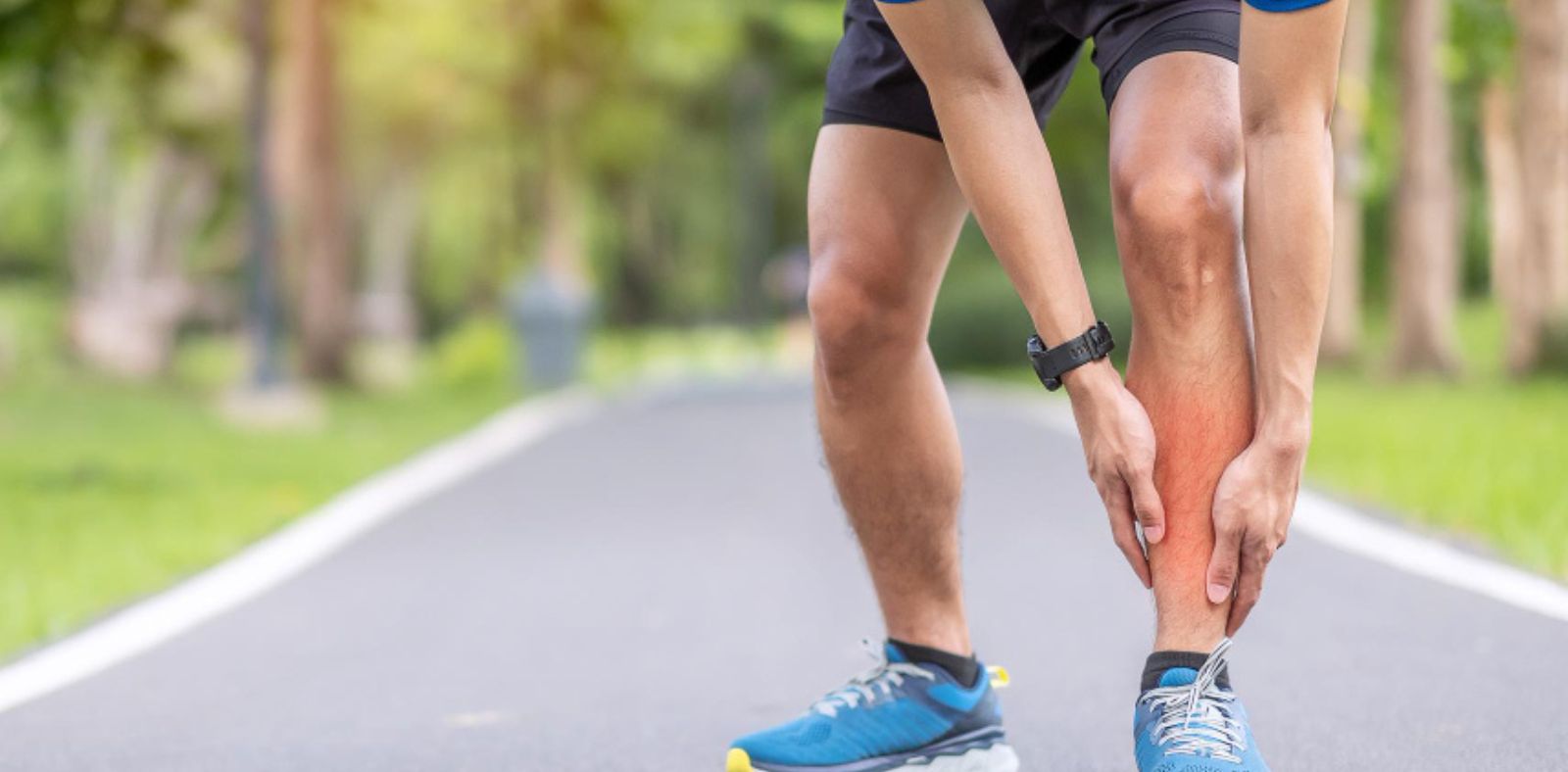
- Shin splints
- Stress fractures
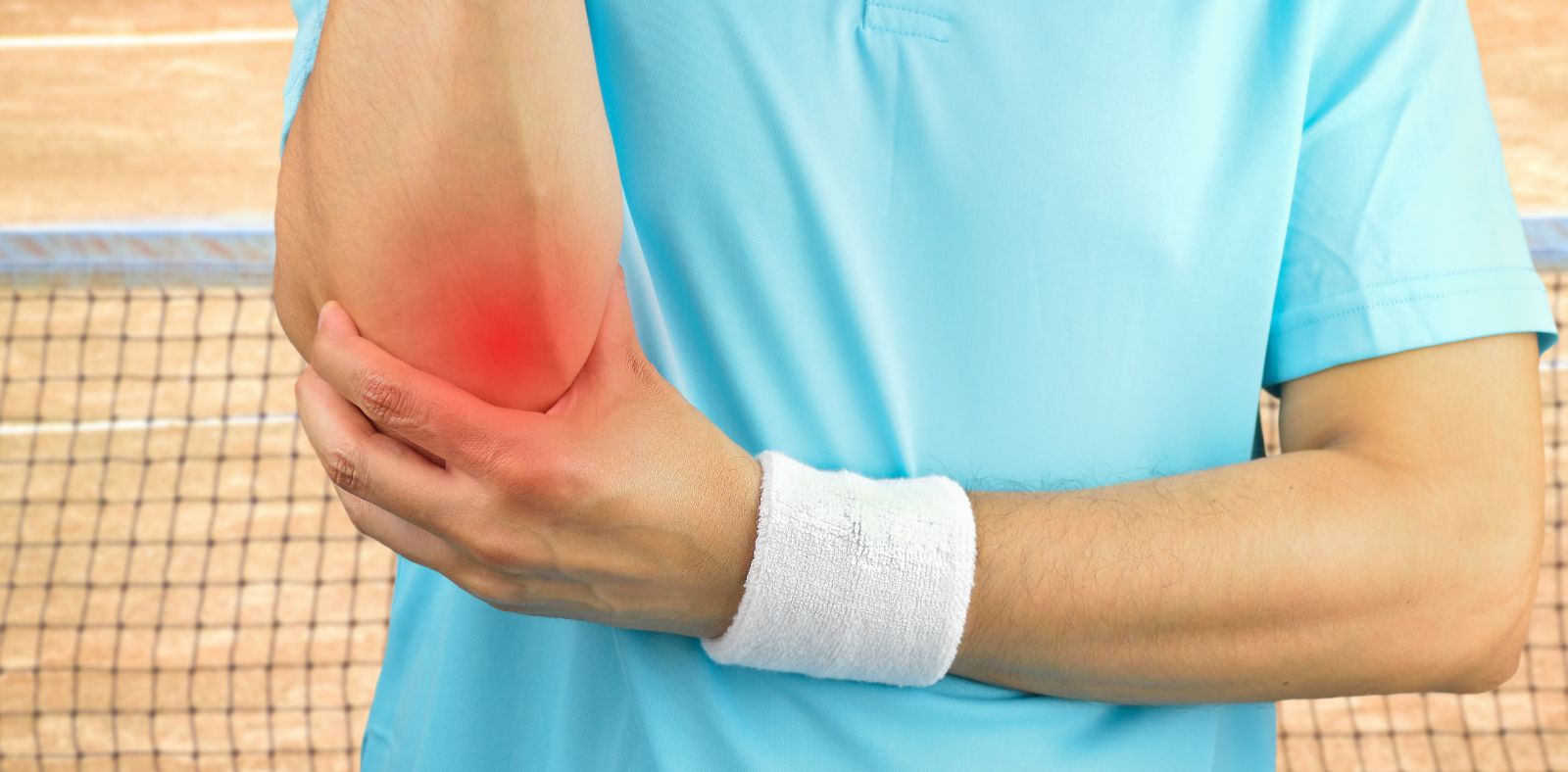
- Tennis elbow
- Runner’s knee
- Some shoulder and rotator cuff problems
Symptoms may initially appear only during activity before becoming more persistent if the underlying stress continues.
What Are the Most Common Sports Injuries?
Common sports injuries affect areas that experience frequent impact, twisting, repetitive movement, or sudden loading. The exact pattern varies according to the sport, training level, age, and type of activity.
Sprains and Strains
Sprains and strains are among the most common sports injuries. Although the terms are generally used interchangeably, they affect different tissues.
- Sprain: Stretching or tearing of a ligament that connects bones around a joint.
- Strain: Stretching or tearing of a muscle or tendon.
Both can cause pain, swelling, weakness, and reduced movement.
Ankle Injuries
An ankle injury in sports commonly occurs when the foot rolls, twists, or lands awkwardly. Ankle sprains are particularly common in running, football, basketball, and sports involving rapid changes in direction.
Symptoms may include swelling, bruising, tenderness, and difficulty putting weight on the affected foot.
Knee Injuries
The knee can be affected by sudden twisting, direct impact, repetitive loading, or rapid changes in direction.
Sports-related knee problems may involve:
- Ligaments such as the ACL
- Meniscus cartilage
- Patellar tendon
- Muscles surrounding the knee
- Kneecap and supporting tissues
Some injuries cause immediate instability or swelling, while overuse conditions may produce gradually increasing pain.
Shoulder and Elbow Injuries
Throwing, swimming, racquet sports, weight training, and repetitive overhead movements can place considerable stress on the shoulder and elbow.
Common problems include tendinitis, rotator cuff injuries, tennis elbow, shoulder instability, and muscle strains.
Fractures and Concussions
A suspected fracture, significant head injury, loss of consciousness, confusion, repeated vomiting, or other symptoms suggestive of concussion require prompt medical assessment. An athlete with a suspected concussion should not simply return to play because they “feel mostly fine.” The brain, inconveniently, does not accept enthusiasm as medical clearance.
What Causes Sports Injuries?
Sports injuries usually result from a combination of sudden accidents, training errors, repetitive stress, poor technique, or insufficient recovery. Understanding the causes of sports injuries can help reduce avoidable risk.
Common factors include:
- Increasing training intensity too quickly
- Repeating the same movement excessively
- Poor exercise or sporting technique
- Inadequate rest between training sessions
- Returning to sport before an earlier injury has healed
- Poorly fitting or inappropriate footwear
- Not using suitable protective equipment
- Training beyond current fitness or conditioning levels
- Sudden falls, tackles, collisions, or awkward landings
- Weakness or reduced flexibility in relevant muscle groups
Fatigue can also affect movement and coordination, increasing the likelihood of incorrect technique or awkward landings.
Sports Injury Treatment and Pain Management
Sports injury management depends on the injured tissue, severity, symptoms, and demands of the activity. Initial treatment usually focuses on protecting the injured area, controlling pain and swelling, and preventing further damage before rehabilitation begins.
Immediate Care After a Sports Injury
For a mild sprain, strain, or similar soft-tissue injury, early care may include:
- Stop the activity that caused the injury.
- Protect the area from further stress.
- Apply a wrapped cold pack for short periods if it helps with pain.
- Use compression when appropriate.
- Elevate a swollen limb when practical.
- Avoid repeatedly testing the injury through painful movements.
Complete inactivity is not always necessary. Once serious injury has been excluded, gradual and appropriate movement may be introduced as symptoms allow.
Pain Relief and Non-Invasive Treatment
Pain management aims to make movement and rehabilitation more comfortable while the tissues recover.
Depending on the injury, treatment may include:
- Activity modification
- Cold or heat therapy at appropriate stages
- Pain-relieving medicines when medically suitable
- Bracing or temporary support
- Physiotherapy
- Mobility exercises
- Progressive strengthening
- Manual therapy in selected cases
Treatment should address the injury itself rather than simply allowing an athlete to continue playing through significant pain.
eLaserCalmative® Therapy for Sports Injury Recovery
At Aalayam Rehab Care, eLaserCalmative® Therapy offers a non-invasive approach to managing pain associated with sports injuries. The treatment integrates cold laser therapy and nano-current bio-stimulation to support rehabilitation.
Cold laser technology may help relieve pain and inflammation in affected muscles, tendons, and joints, while nano-current stimulation is intended to support cellular activity and tissue repair.
When combined with physiotherapy and structured rehabilitation, this therapy may help improve comfort during recovery and support a gradual return to physical activity. Its effectiveness varies depending on the type and severity of injury, and clinical evidence for nano-current therapy remains limited.
When is Surgery Needed?
Most sports injuries do not require surgery. However, surgical treatment may be considered for some severe fractures, complete ligament or tendon tears, recurrent joint instability, or injuries that do not respond adequately to conservative treatment.
The decision depends on factors such as:
- Type and severity of injury
- Degree of tissue damage
- Joint stability
- Functional limitations
- Age and general health
- Sporting demands
- Response to rehabilitation
A sports injury specialist can determine whether non-surgical management or surgical treatment is more appropriate.
How Does Sports Injury Physiotherapy Support Recovery?
Sports injury physiotherapy helps restore movement, strength, balance, flexibility, and confidence after an injury. Rehabilitation also prepares the affected tissues for the demands they will face when the person returns to exercise or sport.
A rehabilitation programme may include:
- Range-of-motion exercises
- Progressive muscle strengthening
- Balance and coordination exercises
- Flexibility training
- Movement and technique correction
- Sport-specific drills
- Gradual cardiovascular conditioning
The programme should progress according to function and symptoms rather than simply the number of days since the injury.
What Are the Stages of Sports Injury Rehabilitation?
Sports injury rehabilitation usually progresses from protecting injured tissues to rebuilding physical capacity and eventually returning to sport. Moving through these stages too quickly can increase the chance of another injury.
Common stages include:
1. Protecting the Injury
The early goal is to avoid further damage while managing pain and swelling. Some activities may need to be temporarily reduced or modified.
2. Restoring Movement
Gentle mobility exercises may be introduced as the injury settles. The aim is to restore comfortable joint movement without unnecessarily irritating healing tissues.
3. Rebuilding Strength and Control
Strength, balance, coordination, and endurance are gradually restored. Exercises become progressively more challenging as function improves.
4. Sport-Specific Rehabilitation
Running, jumping, throwing, cutting, or other relevant movements may be added according to the athlete’s sport.
5. Return to Sport
Returning to sport should be based on adequate strength, movement, control, confidence, and ability to perform relevant tasks without significant symptoms.
How Can Sports Injuries Be Prevented?
Sports injury prevention focuses on preparing the body for activity, increasing training gradually, using appropriate technique, and allowing adequate recovery. Not every injury is preventable, particularly those caused by unpredictable collisions or falls.
Helpful strategies include:
- Warm up before vigorous activity.
- Increase training duration and intensity gradually.
- Learn correct exercise and sporting techniques.
- Wear suitable footwear.
- Use sport-specific protective equipment.
- Include strength and flexibility training.
- Take appropriate recovery days.
- Avoid repeatedly training through pain.
- Vary activities to reduce repetitive strain.
- Address previous injuries before returning to full competition.
Cross-training can also reduce repeated stress on the same muscles and joints by varying the type of activity performed.
When Should You Visit a Sports Injury Specialist?
See a sports injury doctor when symptoms are severe, persistent, worsening, or interfere with normal movement. Early assessment is especially important when there may be a fracture, joint instability, significant tissue damage, or head injury.
Seek medical attention for:
- Severe pain or swelling
- Inability to bear weight
- Significant loss of movement
- Visible deformity
- A joint that appears out of position
- Persistent numbness or weakness
- A popping sound followed by immediate loss of function
- Pain that does not improve with initial self-care
- Recurrent pain from an old injury
- Suspected fracture or concussion
A sports injury centre or hospital for sports injuries may provide access to assessment, imaging, orthopaedic care, physiotherapy, and rehabilitation depending on the injury.
Frequently Asked Questions
Cold packs may provide short-term pain relief after an acute injury and can be useful when swelling is present. Heat may feel more comfortable later for muscle stiffness. The appropriate option depends on the injury and stage of recovery.
Recovery time varies considerably. Mild strains or sprains may improve within weeks, while fractures, ligament tears, tendon injuries, or severe joint injuries can take several months. Rehabilitation and return-to-sport requirements also influence recovery time.
Not always. Mild muscle soreness after exercise can be normal, but persistent, sharp, worsening, or movement-limiting pain should not be ignored. Continuing activity despite an injury can aggravate tissue damage and prolong recovery.
Yes. Previous injuries may recur, particularly when strength, mobility, balance, or movement control has not been completely restored. Completing rehabilitation and returning to activity gradually can help reduce this risk.
Sprains and strains are among the most frequently encountered sports injuries. Knee injuries, ankle injuries, tendon problems, fractures, dislocations, and shoulder injuries are also common depending on the sport and type of physical activity.
Normal muscle soreness commonly develops after unfamiliar or strenuous exercise and gradually improves. An injury is more likely to cause localised or sharp pain, swelling, bruising, weakness, instability, or difficulty performing normal movements.
The timing depends on the type and severity of the injury. Some gentle movement can begin relatively early after many injuries, while fractures, major tears, or surgical repairs require specific restrictions. A clinician or physiotherapist can guide safe progression.
Restart at a lower intensity and gradually increase training duration, frequency, and difficulty. Include a warm-up, strength and mobility exercises, suitable footwear or protective equipment, and recovery days. Avoid suddenly returning to your previous training load.