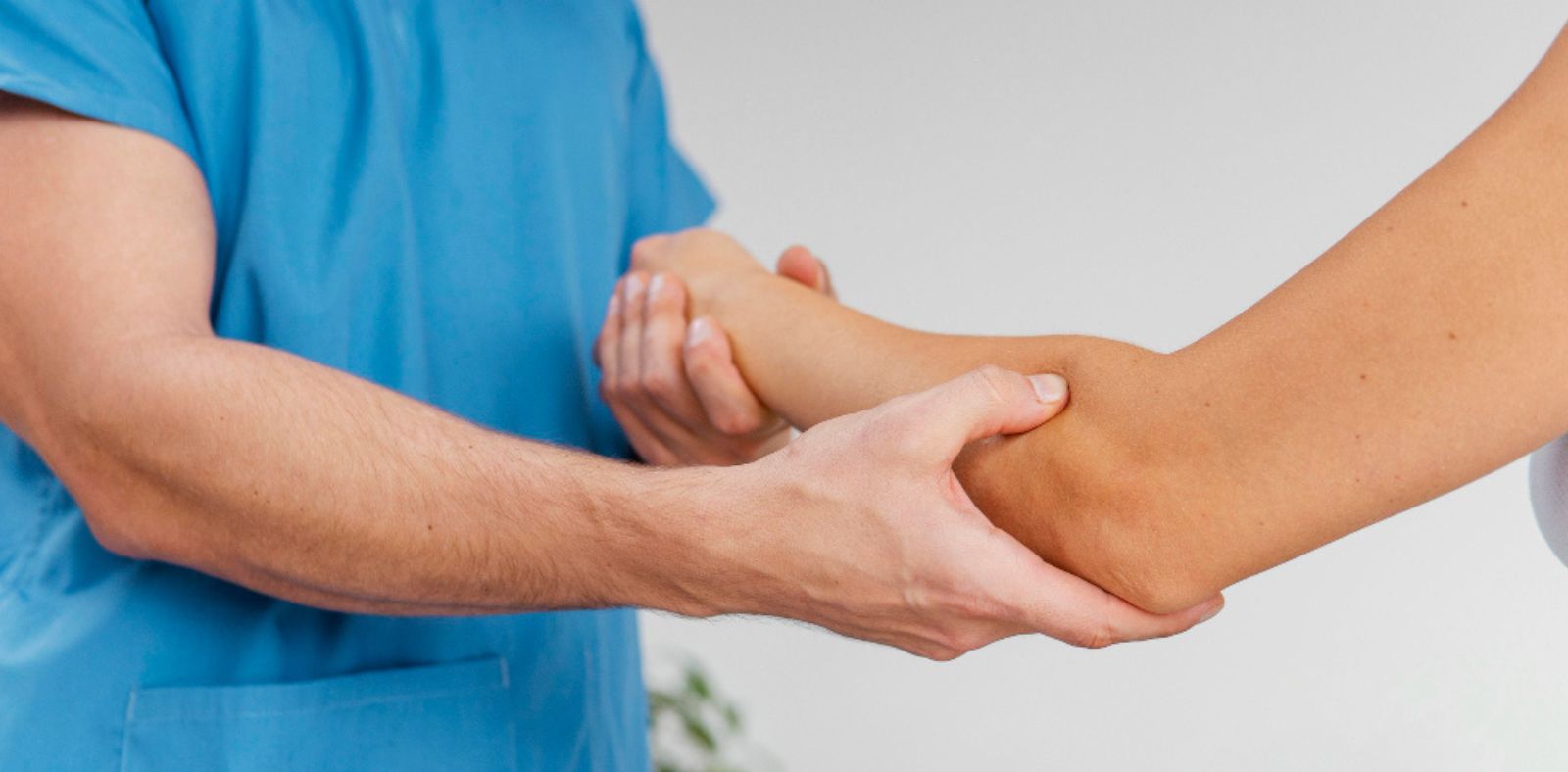
Tendon pain can make everyday activities uncomfortable. You may notice shoulder pain while reaching overhead, elbow discomfort while lifting objects, or stiffness around your heel when walking. What begins as mild discomfort after physical activity can gradually interfere with work, exercise, and daily movement.
Tendinitis is a condition involving irritation or inflammation of a tendon, the tissue connecting muscle to bone. Although mild cases may improve with activity modification, persistent tendon pain requires proper assessment and rehabilitation.
At Aalayam Rehab Care, we provide non-surgical pain management through physiotherapy, personalised rehabilitation, and technologies such as eLaserCalmative®. Understanding the causes of tendinitis, available treatments, and the role of supportive therapies can help you make informed decisions about managing pain and restoring movement.
What is Tendinitis?
Tendinitis refers to inflammation or irritation of a tendon, usually following an injury or excessive mechanical strain. It causes localised pain, tenderness, and difficulty performing movements that place pressure on the affected tendon.
Tendons transfer force from muscles to bones, allowing you to walk, lift, run, and perform everyday movements. Repeated strain or a sudden increase in physical activity can exceed a tendon’s capacity to tolerate loading.
However, not all persistent tendon pain involves active inflammation. Long-standing symptoms are frequently described as tendinopathy, which includes changes in tendon structure and function.
Common Causes of Tendinitis
Tendinitis can develop when repetitive movements, sudden physical demands, or injuries overload a tendon. Certain health conditions and age-related changes may also increase susceptibility.
Common contributing factors include:
- Repetitive movements: Repeated lifting, gripping, typing, or overhead activities can place continuous strain on tendons.
- Sudden increases in activity: Starting an intense exercise programme without gradual preparation may overload previously inactive tissues.
- Improper exercise technique: Incorrect lifting, running, or sporting movements may increase stress on specific tendons.
- Inadequate recovery: Performing demanding activities without sufficient rest can interfere with tissue adaptation.
- Age-related changes: Tendon properties change with age, potentially affecting tolerance to mechanical loading.
- Underlying conditions: Diabetes, inflammatory arthritis, and certain metabolic conditions may contribute to tendon problems.
Some medications, including particular antibiotics, are also associated with an increased risk of tendon injury.
Common Types of Tendinitis and Their Symptoms
Tendinitis can affect several body regions, particularly tendons exposed to repeated loading. Symptoms depend on the affected tendon and the movements involved.
| Type of tendon problem | Common symptoms |
| Rotator cuff tendinitis | Shoulder pain during overhead movement or lifting |
| Tennis elbow | Pain outside the elbow during gripping or wrist movement |
| Golfer’s elbow | Tenderness inside the elbow when gripping or bending the wrist |
| Achilles tendinitis | Pain and stiffness behind the ankle, particularly during walking |
| Patellar tendinitis | Pain below the kneecap during running, jumping, or climbing stairs |
| Wrist tendinitis | Wrist discomfort during gripping, lifting, or repetitive hand movements |
Common symptoms include tenderness, movement-related pain, stiffness after inactivity, and occasional swelling.
How is Tendinitis Diagnosed?
Tendinitis is generally diagnosed through medical history and physical examination. Imaging may be recommended when symptoms are persistent, the diagnosis is uncertain, or a significant tendon injury is suspected.
During assessment, the doctor may:
- Ask when symptoms began and which activities aggravate them.
- Examine the painful region for tenderness, swelling, and restricted movement.
- Assess muscle strength and the tendon’s response to controlled loading.
- Evaluate movement patterns and activities contributing to repetitive strain.
- Recommend ultrasound or MRI when clinically necessary.
At Aalayam Rehab Care, our assessment approach includes evaluating joint and muscular pain through clinical examination and suitable diagnostic technologies.
Treatment Options for Tendinitis Pain
Most uncomplicated tendinitis cases can be managed without surgery. Treatment focuses on reducing aggravating strain, improving tendon loading capacity, and restoring comfortable movement.
1. Activity Modification and Initial Pain Relief
Reducing activities that repeatedly aggravate the tendon can help control symptoms. Complete immobilisation is generally unnecessary unless a specific injury requires it.
Initial management may include:
- Temporarily limiting painful lifting, running, jumping, or gripping.
- Applying a wrapped cold pack for approximately 15–20 minutes.
- Adjusting work activities to reduce repetitive tendon loading.
- Using supportive braces or footwear when recommended.
2. Physiotherapy and Strengthening Exercises
Progressive exercise is a central component of tendinopathy rehabilitation. It helps improve muscle strength, tendon loading tolerance, and confidence during movement.
Depending on the affected tendon, physiotherapy may include:
- Isometric exercises: Controlled muscle contractions without visible joint movement.
- Resistance exercises: Gradual strengthening using weights or resistance bands.
- Eccentric exercises: Strengthening while the muscle lengthens under controlled tension.
- Functional training: Practising movements required for work, exercise, or everyday activities.
3. Medicines and Other Medical Treatments
Pain-relieving medicines may provide temporary symptom relief when appropriate. However, medication alone does not address reduced tendon strength or excessive mechanical loading.
Corticosteroid injections can relieve symptoms in certain conditions but may have limitations and tendon-related risks. Surgery is generally reserved for selected cases involving significant damage or persistent disability despite appropriate treatment.
How E-Lase Calmative May Support Tendinitis Recovery
E-Lase Calmative is a non-invasive treatment approach that may help manage tendon-related pain alongside structured rehabilitation. It should be considered a supportive intervention rather than a replacement for therapeutic exercise.
At Aalayam Rehab Care, our eLaserCalmative® technology combines low-level laser therapy with nano-current biostimulation. It is designed to support pain management and tissue-related recovery processes.
How Does E-Lase Calmative Work?
Low-level laser therapy delivers controlled light energy to targeted tissues. This approach, also called photobiomodulation, is being investigated for its effects on cellular activity, pain signalling, and inflammatory processes.
Potential therapeutic effects include:
- Pain modulation: Light-based treatment may influence biological processes associated with pain perception.
- Inflammatory response: Photobiomodulation may help regulate certain inflammatory pathways.
- Cellular activity: Laboratory findings suggest possible effects on processes involved in tissue repair.
- Rehabilitation participation: Symptom relief may make prescribed movements more comfortable for some patients.
Can E-Lase Calmative Replace Physiotherapy?
No. E-Lase Calmative should complement, rather than replace, an appropriate physiotherapy programme.
Research suggests that certain low-level laser treatments may provide short-term pain relief in selected tendinopathies. However, recommendations vary by tendon location, and some clinical guidelines advise against laser therapy for particular conditions.
Progressive strengthening remains important because improving tendon capacity requires controlled mechanical loading. At Aalayam Rehab Care, our rehabilitation approach may combine eLaserCalmative® with exercises, movement correction, and other physiotherapy techniques according to individual clinical needs.
What to Expect During Tendinitis Rehabilitation
Tendinitis rehabilitation generally progresses from symptom control to strengthening and a gradual return to normal activities. Recovery depends on symptom duration, tendon involvement, physical demands, and treatment response.
A rehabilitation programme may involve:
- Initial assessment: Identifying the painful tendon, functional limitations, and aggravating activities.
- Symptom management: Modifying painful movements and introducing suitable pain-relief measures.
- Progressive strengthening: Increasing tendon loading as strength and tolerance improve.
- Functional rehabilitation: Reintroducing work-related movements, walking, running, or sporting activities.
- Prevention planning: Addressing training errors, recovery time, and movement-related risk factors.
Some mild acute cases improve within a few weeks. Chronic tendinopathy may require several months of consistent rehabilitation. Improvement should be assessed through pain, strength, movement, and everyday function rather than session numbers alone.
When Should You Seek Medical Attention?
Medical assessment is advisable when tendon pain persists, repeatedly returns, or interferes with daily activities. Certain symptoms require urgent evaluation because they may indicate a tendon rupture or another significant problem.
Get proper medical attention if you experience:
- A sudden popping or snapping sensation followed by severe pain.
- Inability to bear weight, push off the foot, or move the affected limb normally.
- Significant weakness following an injury.
- Rapidly increasing swelling or visible deformity.
- Marked redness, warmth, swelling, or pain accompanied by fever.
Avoid attempting strengthening exercises or laser-based treatment before assessment when a significant tendon tear is suspected.
Managing Tendinitis Pain With Aalayam Rehab Care
At Aalayam Rehab Care, we focus on non-surgical approaches to managing joint and muscular pain. Our services include physiotherapy, personalised exercise programmes, movement assessment, and eLaserCalmative® therapy.
Our team assesses symptoms, physical limitations, and relevant activities before recommending suitable rehabilitation strategies. Home-based treatment services are also available, helping patients access care without unnecessary travel.
For individuals experiencing tendinitis pain, treatment may involve progressive strengthening, activity modification, and supportive pain-management techniques when clinically appropriate.
Frequently Asked Questions
Yes, many cases of tendinitis improve without surgery through activity modification, physiotherapy, and gradual strengthening. Recovery depends on the affected tendon, symptom duration, and injury severity. Surgery is generally considered only when appropriate conservative treatment proves insufficient.
Mild tendon irritation may improve within a few weeks, while persistent tendinopathy can require several months of rehabilitation. Recovery varies according to tendon damage, physical activity, underlying health conditions, and consistency with the prescribed treatment programme.
E-Lase Calmative is a non-invasive treatment generally designed to be comfortable. Individual sensations and responses may vary. A qualified professional should assess whether the therapy is suitable, particularly when patients have underlying medical conditions or other treatment-related concerns.
Yes, carefully selected exercises are commonly included in tendinitis rehabilitation. However, activities that significantly worsen symptoms may need modification. A physiotherapist can recommend suitable movements, adjust exercise intensity, and guide progressive strengthening without unnecessarily overloading the affected tendon.
Yes, tendon pain can recur when excessive loading, repetitive strain, or inadequate recovery continues. Maintaining appropriate strength, gradually increasing physical activity, and addressing movement-related factors may help reduce recurrence, although no rehabilitation programme can guarantee permanent prevention.
No, evidence supporting laser therapy differs between tendon conditions. Some studies report short-term improvements in pain, while certain clinical guidelines recommend against its use. Treatment decisions should consider the affected tendon, diagnosis, and established rehabilitation options.