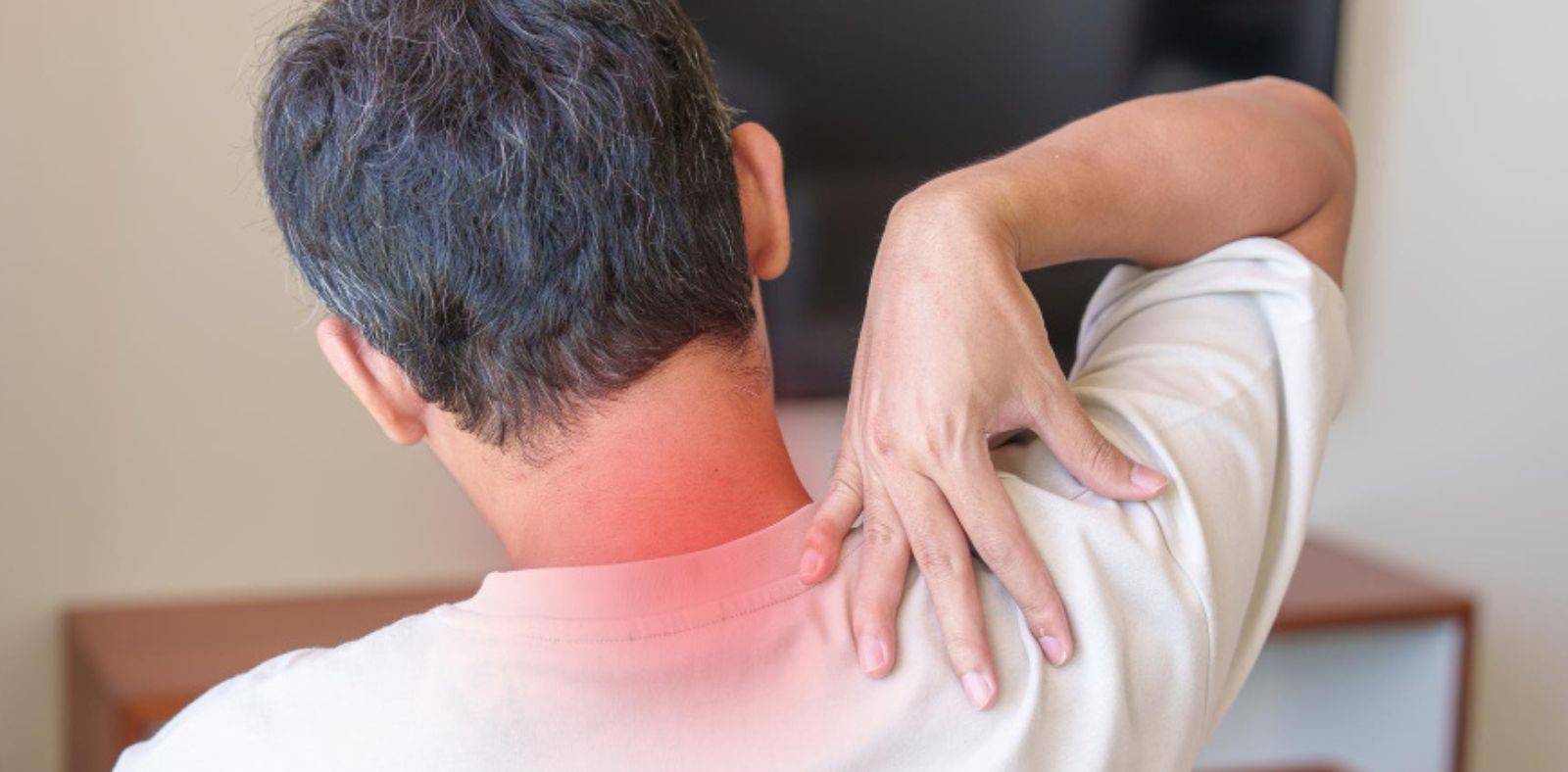
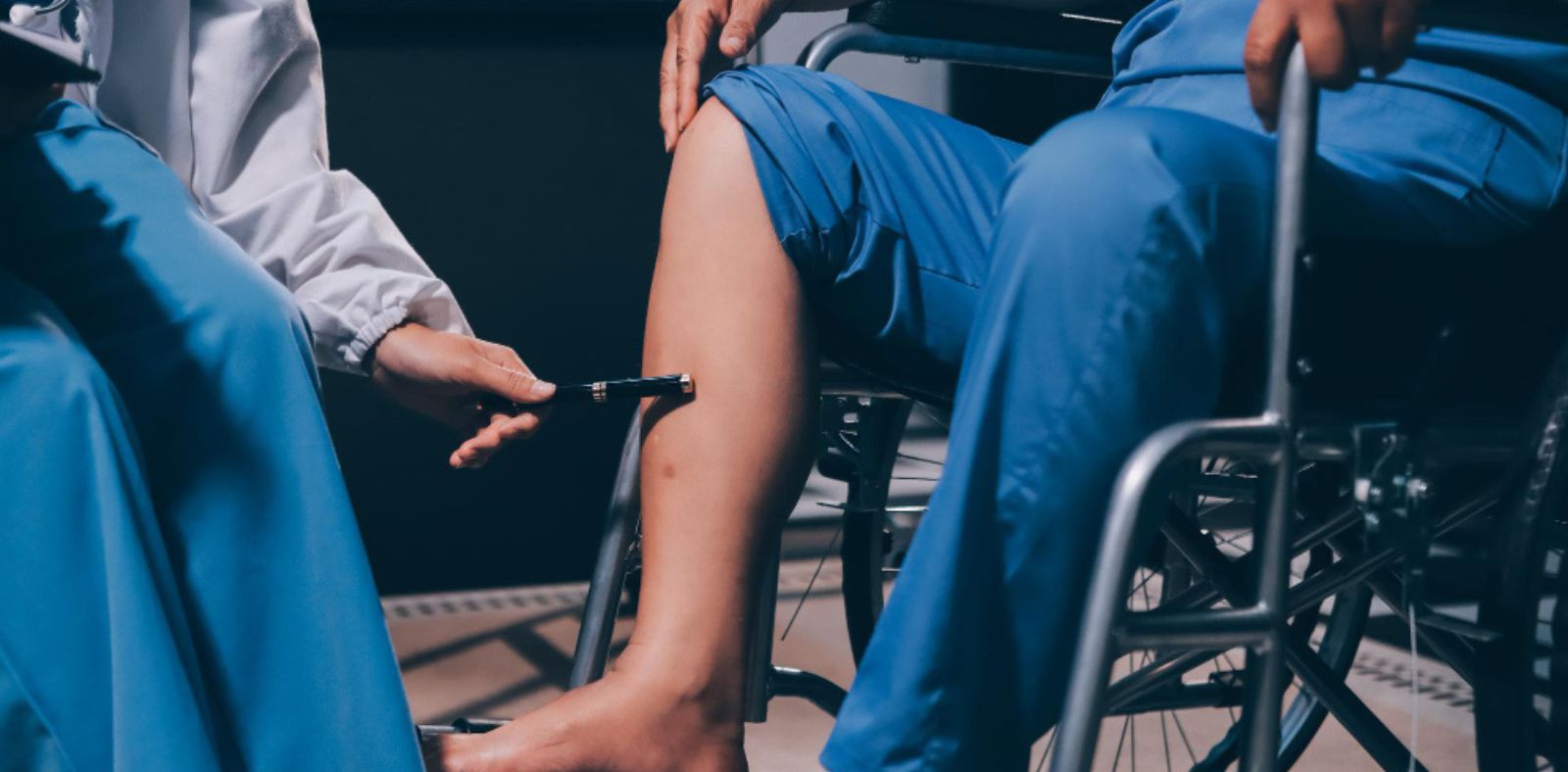
Ligament injuries occur when the strong connective tissues supporting a joint become overstretched or torn. These injuries can affect the knees, ankles, wrists, shoulders, and other joints, causing pain, swelling, instability, and difficulty with movement. They may result from sudden twisting movements, accidental falls, sports activities, or everyday incidents such as missing a step while walking.
While mild ligament sprains may improve within a few weeks, partial or complete tears can require longer recovery and structured rehabilitation. Identifying the severity of the injury is important because untreated joint instability may affect mobility and increase the risk of further damage.
At Aalayam Rehab Care, we provide non-surgical pain management and physiotherapy services to support joint mobility, muscle strength, and functional recovery. This article explains ligament injury symptoms, recovery timelines, and available treatment options to help patients understand what to expect during healing.
What is a Ligament Injury?
A ligament injury involves stretching, partial tearing, or complete rupture of the fibrous tissues connecting bones at a joint. Ligaments provide stability and prevent excessive movement, making them essential for everyday activities and physical exercise.
When a joint moves beyond its normal range, the ligament may sustain damage. This can happen during sports, accidental falls, sudden twists, or awkward landings.
Common ligament injuries include:
- ACL injuries: Affect the knee and frequently occur during sudden changes in direction.
- Medial collateral ligament (MCL) injuries: Involve the inner side of the knee.
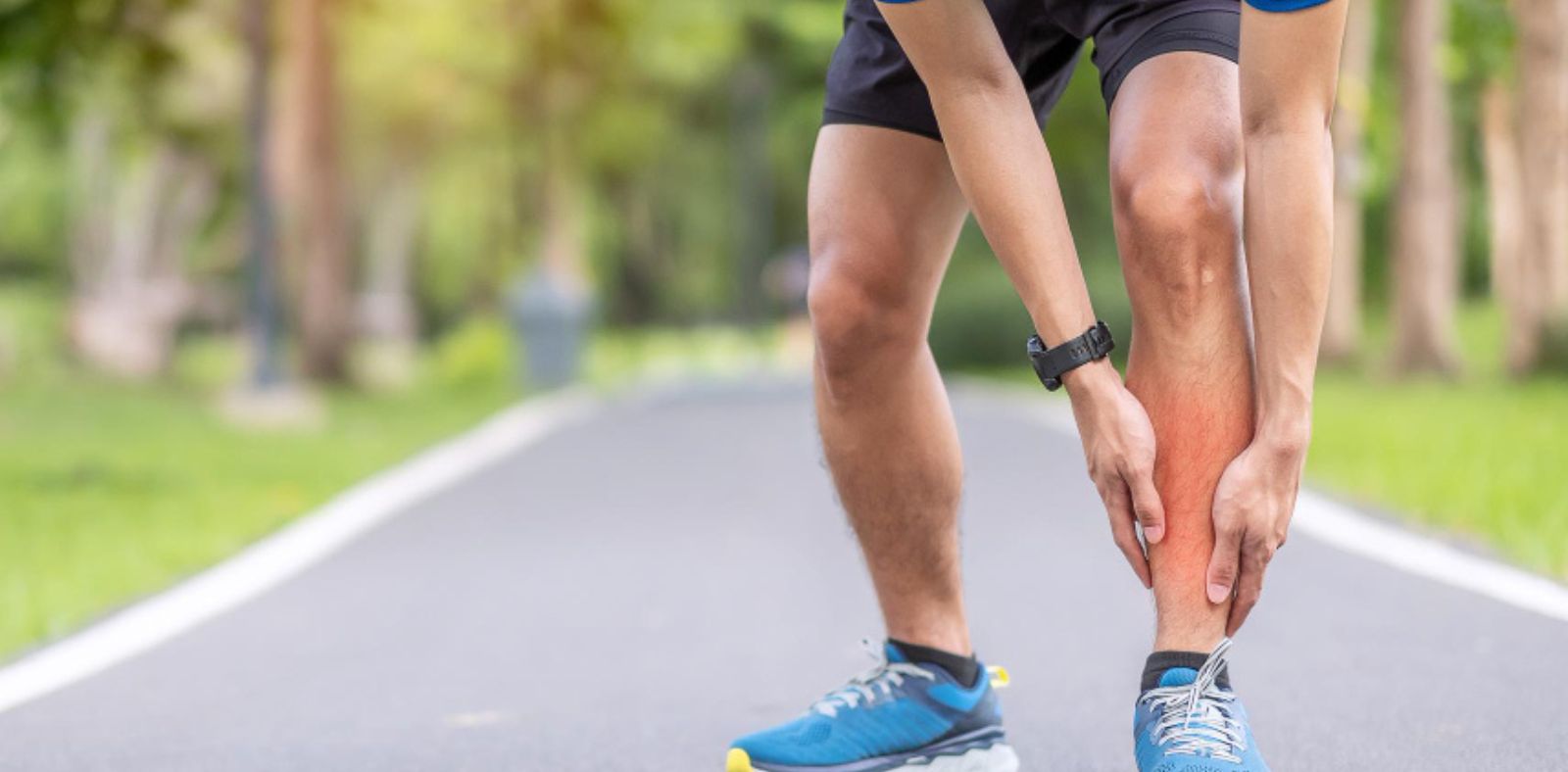
- Ankle ligament sprains: Develop when the ankle twists or rolls unexpectedly.
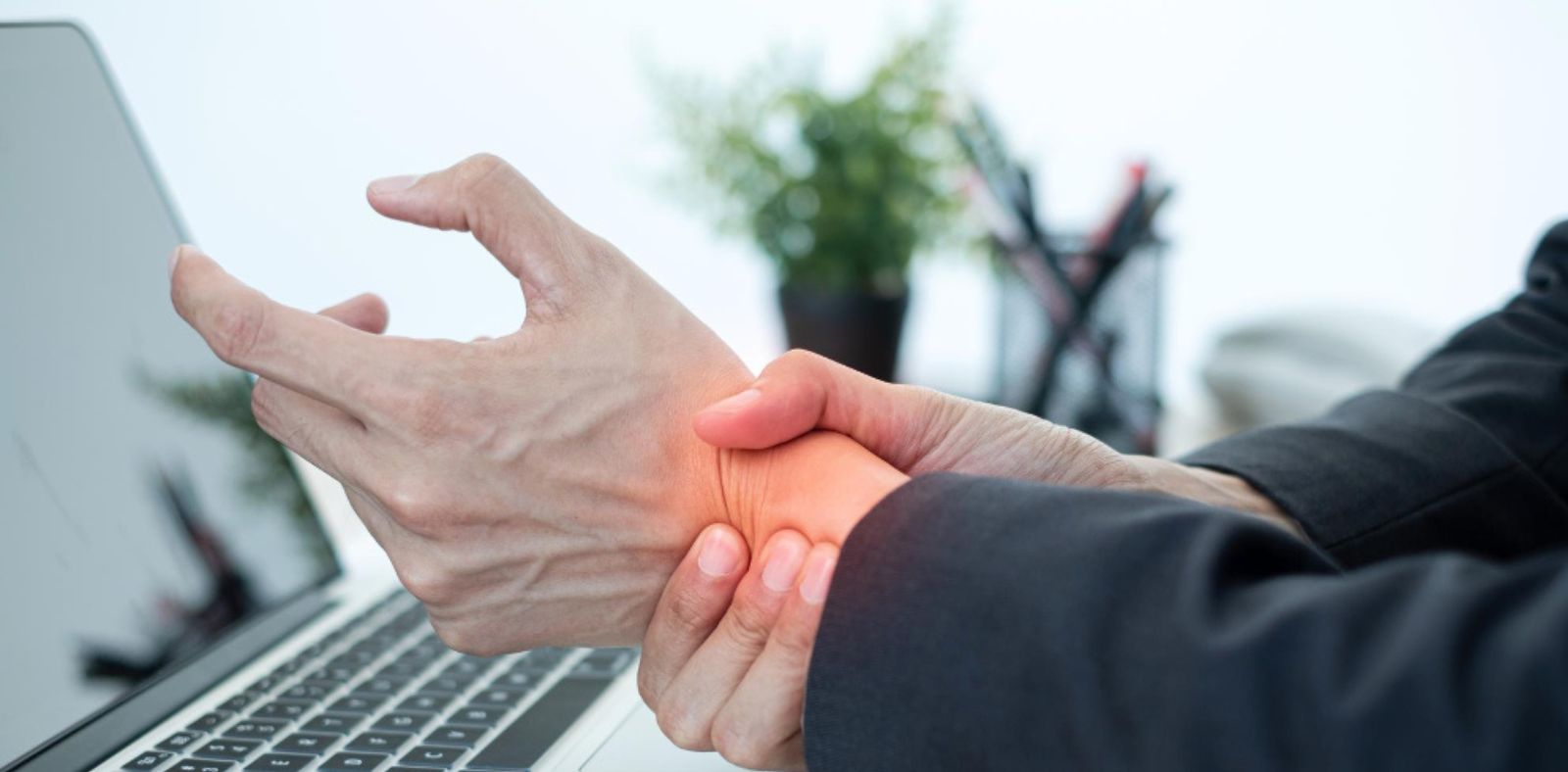
- Wrist ligament injuries: May occur after falling onto an outstretched hand.
- Shoulder ligament injuries: Can result from falls, dislocations, or direct impact.
The severity of the injury determines whether conservative treatment is sufficient or specialist intervention is necessary.
What Are the Symptoms of a Ligament Injury?
Common ligament injury symptoms include joint pain, swelling, tenderness, bruising, and difficulty moving the affected area. Some patients also experience joint instability or hear a popping sound when the injury occurs.
Symptoms vary depending on the affected ligament and extent of tissue damage.
- Pain: Discomfort around the injured joint, particularly during movement or weight-bearing.
- Swelling: Fluid accumulation caused by inflammation or bleeding within surrounding tissues.
- Bruising: Skin discolouration that may develop hours after the injury.
- Restricted movement: Difficulty bending, straightening, or rotating the affected joint.
- Joint instability: A sensation that the knee or ankle may give way.
- Difficulty walking: Pain or weakness that interferes with standing, climbing stairs, or walking.
Severe swelling, visible deformity, numbness, or inability to bear weight requires prompt medical assessment.
What Causes Ligament Injuries?
Ligament injuries develop when excessive force stretches a joint beyond the movement its supporting tissues can tolerate. Sudden twisting, direct impact, and poorly controlled landings are common causes.
Several activities and circumstances increase injury risk:
- Sudden changes in direction while playing football, basketball, or kabaddi.
- Landing awkwardly after jumping.
- Slipping on uneven or wet surfaces.
- Falling while running, cycling, or climbing stairs.
- Direct impact during contact sports.
- Previous ligament injuries that have left residual weakness or instability.
Poor balance, muscle fatigue, and inadequate conditioning may also contribute to injury risk. However, ligament tears can occur even in physically fit individuals.
Types and Grades of Ligament Injuries
Ligament injuries are classified into three grades based on the extent of tissue damage and joint instability. This classification helps clinicians determine the required protection, rehabilitation approach, and treatment options.
| Injury grade | Extent of damage | Common symptoms |
| Grade 1 (Mild) | Ligament fibres are stretched or microscopically torn | Mild pain, tenderness, minimal swelling |
| Grade 2 (Moderate) | Partial ligament tear | Swelling, bruising, painful movement, some instability |
| Grade 3 (Severe) | Complete ligament rupture | Significant instability, swelling, and functional limitation |
A Grade 3 injury does not automatically require surgery. Treatment depends on the ligament involved, joint stability, associated injuries, and individual activity requirements.
How Are Ligament Injuries Diagnosed?
Ligament injuries are diagnosed through a clinical examination, supported by imaging when necessary. The assessment helps identify the affected ligament, evaluate joint stability, and exclude fractures or associated soft-tissue damage.
The diagnostic process may include:
- Medical history: Understanding how the injury occurred and when symptoms developed.
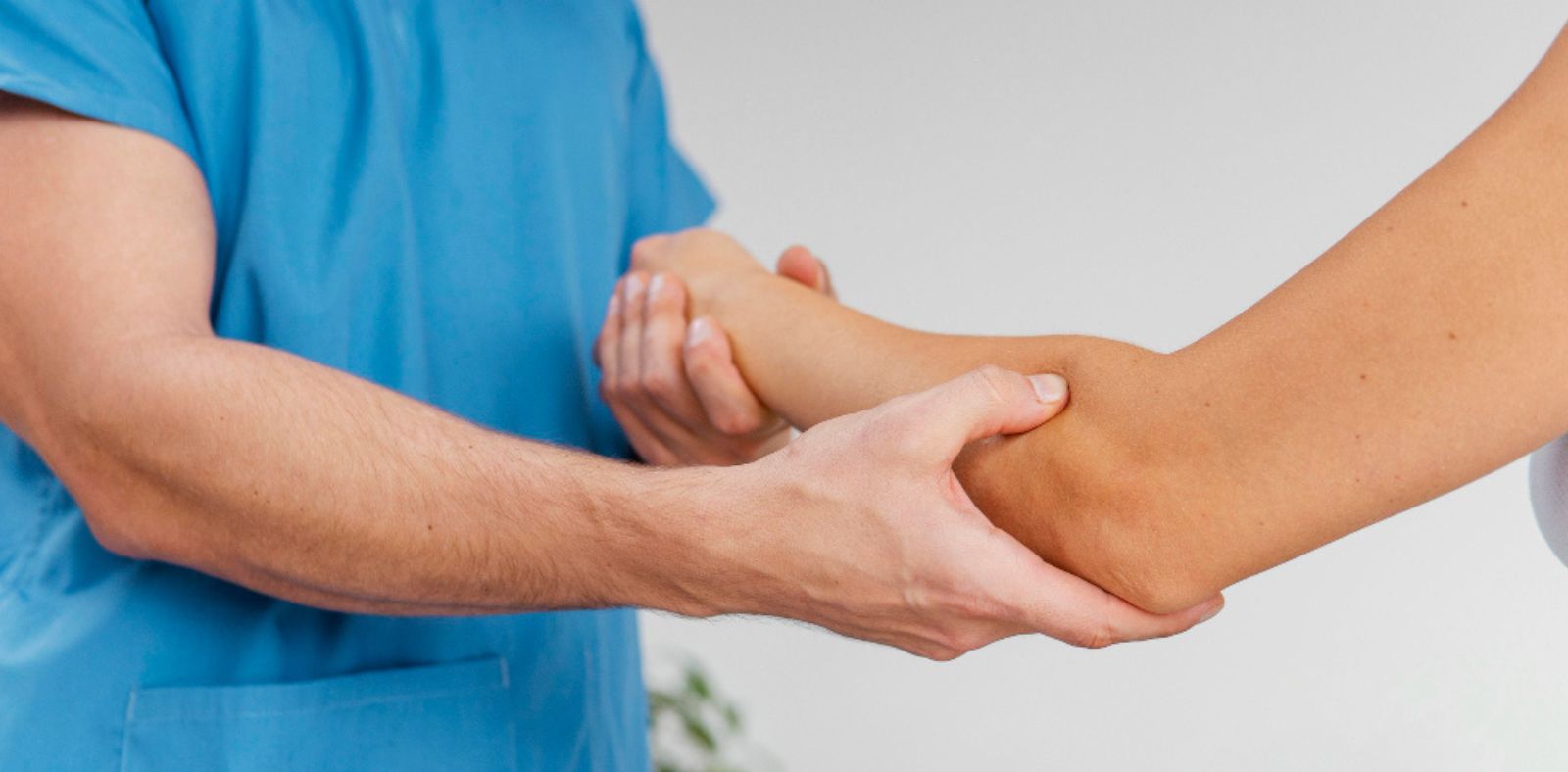
- Physical examination: Checking swelling, tenderness, movement, and joint stability.
- X-rays: Identifying fractures or bone injuries associated with the incident.
- MRI scans: Evaluating ligament tears, cartilage, menisci, and surrounding soft tissues when indicated.
Not every sprain requires an MRI. Imaging decisions depend on examination findings, injury severity, and whether the results would change treatment.
Ligament Injury Recovery Timeline: How Long Does Healing Take?
Ligament injury recovery can take a few weeks to several months, depending on the location and severity of the injury. Healing also depends on joint stability, associated tissue damage, treatment, and rehabilitation progress.
For uncomplicated ankle sprains, recovery may follow these approximate stages:
| Recovery period | Expected progress |
| 0-2 weeks | Pain and swelling begin reducing; gentle movement improves |
| 2-6 weeks | Walking and joint mobility progressively improve |
| 6-12 weeks | Strength, balance, and everyday function continue recovering |
| Beyond 12 weeks | Severe injuries may need further rehabilitation |
These stages are general estimates, not fixed deadlines. Some severe ligament injuries require several months of recovery. Following ACL reconstruction, returning to demanding sports may take 6-12 months, depending on functional progress.
What Are the Treatment Options for Ligament Injuries?
Ligament injury treatment aims to reduce pain, protect damaged tissues, restore joint stability, and regain movement. Mild and moderate injuries frequently respond to non-surgical management, while certain complete tears or unstable joints require surgical assessment.
Immediate Care and Pain Management
Early treatment focuses on protecting the injured joint and controlling swelling without causing unnecessary stiffness.
Recommended measures may include:
- Resting from activities that aggravate pain.
- Applying wrapped ice packs for short periods.
- Using compression bandages when appropriate.
- Elevating the affected limb to reduce swelling.
- Wearing prescribed braces or supports.
- Taking pain-relieving medication under appropriate medical guidance.
Prolonged immobilisation should be avoided unless specifically prescribed. Once serious damage has been excluded, controlled movement can support rehabilitation.
Physiotherapy and Rehabilitation
Physiotherapy helps restore joint mobility, muscle strength, coordination, and stability after ligament damage. A structured rehabilitation programme progresses according to symptoms, clinical findings, and functional improvement.
Common components include:
- Mobility exercises: Gradually restore the joint’s range of movement.
- Strengthening exercises: Improve muscular support around the injured joint.
- Balance training: Restore joint position awareness and movement control.
- Functional exercises: Prepare patients for walking, climbing stairs, or returning to sports.
- Activity modification: Reduce excessive stress while injured tissues recover.
Exercise intensity should increase gradually rather than following a rigid timetable.
When is Surgery Necessary?
Surgery may be considered when ligament damage causes persistent instability, involves multiple injured structures, or significantly restricts function despite appropriate rehabilitation.
Certain ACL tears and complex knee injuries may require reconstruction or repair. An orthopaedic specialist evaluates injury severity, activity requirements, and expected outcomes before recommending surgery. Rehabilitation remains important after surgical treatment.
How Does Aalayam Rehab Care Support Ligament Injury Recovery?
At Aalayam Rehab Care, we offer physiotherapy and non-surgical pain management for musculoskeletal conditions, including sports-related sprains and ligament injuries. Our approach focuses on improving movement, strength, and everyday functioning through individualised rehabilitation.
Our services include:
- Physiotherapy: Exercise-based rehabilitation to improve mobility, strength, and joint stability.
- Pain management: Non-invasive approaches to help manage discomfort during recovery.
- eLaserCalmative® Therapy: A combination of cold laser technology and nano-current stimulation that may be considered for pain management alongside rehabilitation. Evidence for nano-current treatment remains limited.
- Home-based care: Physiotherapy and pain-management services delivered at home where appropriate.
Treatment suitability depends on clinical assessment. Patients with significant instability or suspected complete ligament rupture may require orthopaedic evaluation before beginning rehabilitation.
How Can You Prevent Ligament Injuries?
Ligament injury prevention involves strengthening the muscles supporting joints, improving balance, and avoiding sudden increases in physical activity. Although not every injury can be prevented, appropriate conditioning may reduce risk.
Useful preventive measures include:
- Warming up before sports or exercise.
- Strengthening muscles around the knees and ankles.
- Practising balance and controlled landing techniques.
- Wearing appropriate footwear.
- Increasing exercise intensity gradually.
- Completing rehabilitation before returning to demanding activities.
Individuals with previous ligament injuries should pay particular attention to residual weakness or instability.
Frequently Asked Questions
Yes, many mild and moderate ligament injuries can recover without surgery through appropriate protection, physiotherapy, and rehabilitation. However, complete tears involving significant joint instability may require specialist assessment to determine whether surgical treatment is necessary.
A Grade 2 ligament tear may require several weeks to a few months of recovery. Healing depends on the affected ligament, joint stability, rehabilitation progress, and whether surrounding structures have also sustained damage during the injury.
Walking may support recovery once the injured joint can safely tolerate weight-bearing. However, patients with severe pain, instability, or significant swelling should avoid forcing movement and follow medical guidance regarding walking aids, braces, and activity progression.
Physiotherapy can improve strength, movement, and joint control following a complete ligament tear. However, it cannot reliably restore the structural continuity of every torn ligament. Some patients require surgery, particularly when significant instability or associated injuries are present.
An untreated ligament injury may result in persistent pain, recurrent swelling, weakness, or joint instability. The consequences depend on injury severity and location. Persistent symptoms should be assessed to prevent avoidable functional limitations and further joint damage.
Recovery is assessed through improved movement, restored strength, reduced swelling, and satisfactory joint stability. Being pain-free alone does not confirm complete recovery. A physiotherapist or treating specialist can assess readiness for demanding activities using functional tests.