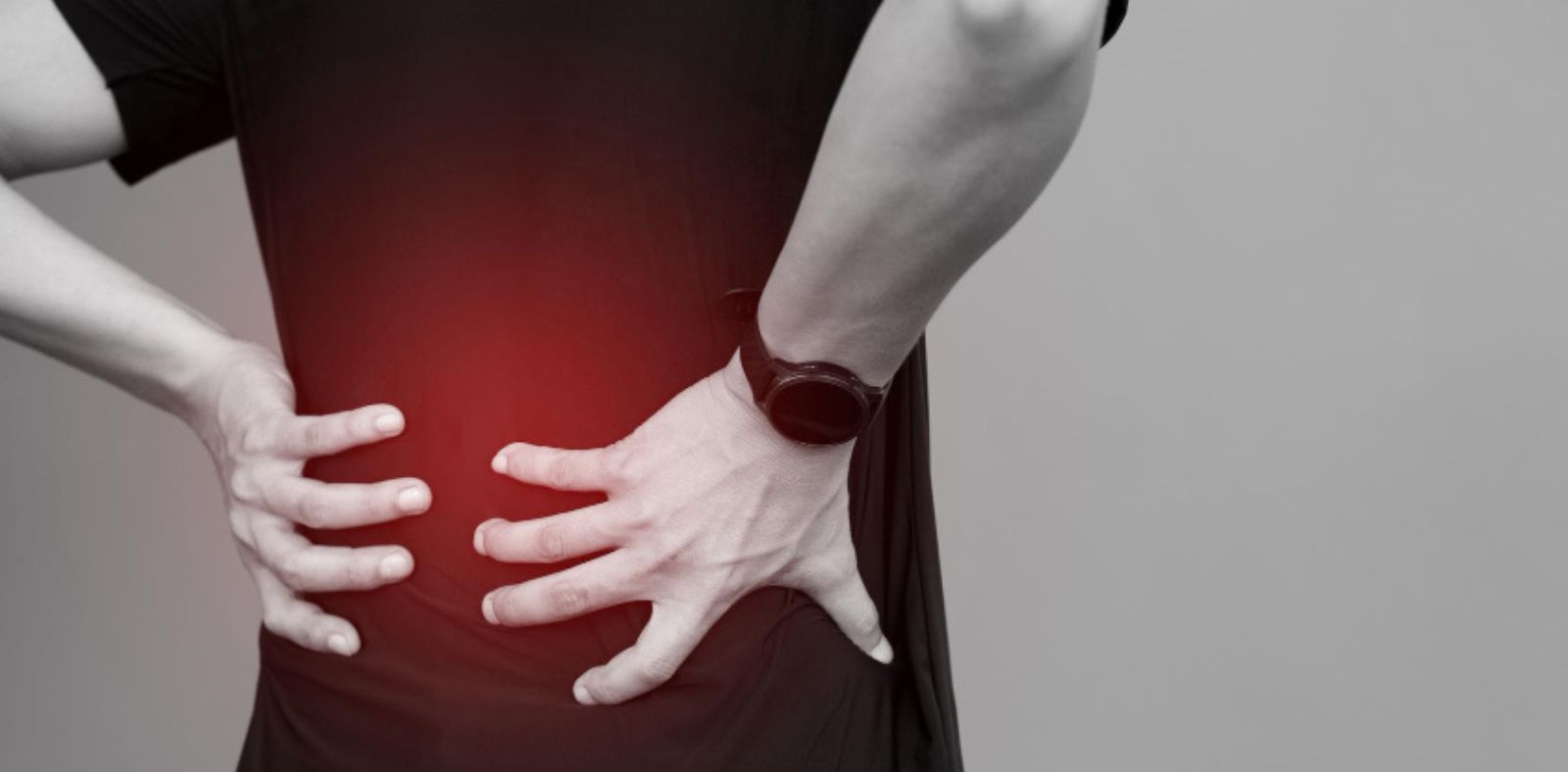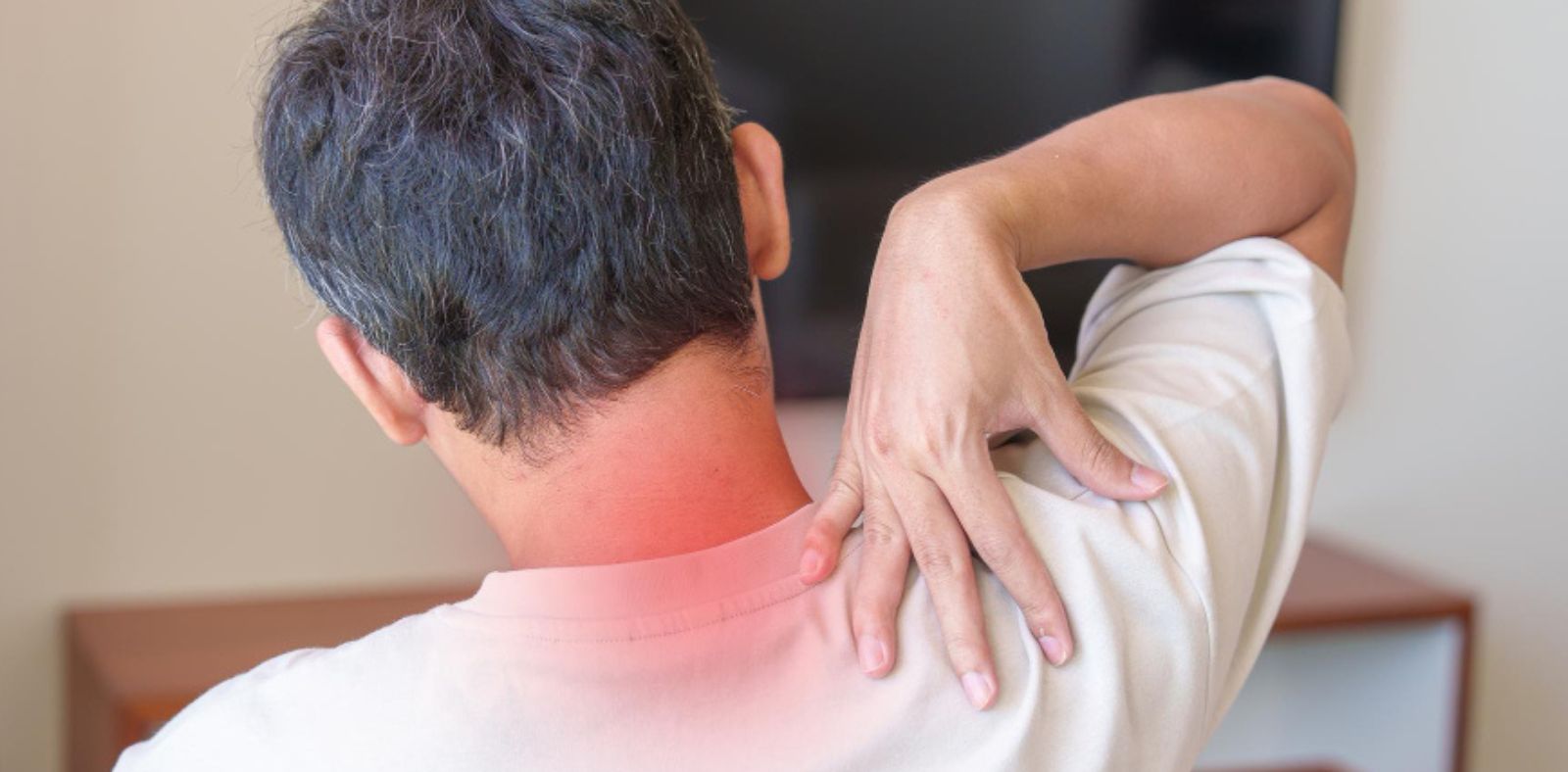

Back pain is one of the most common health problems people face today. It can affect people of all ages and may happen because of poor posture, long hours of sitting, heavy lifting, lack of exercise or age-related changes in the spine. Some people experience mild pain that goes away in a few days, while others struggle with pain for weeks or even months. Back pain can make simple activities like walking, bending, sitting or sleeping difficult.
Many people worry that surgery is the only way to fix severe or long-lasting back pain. In reality, most cases of back pain can improve with the right non-surgical treatment. Early care often helps reduce pain, improve movement and prevent the problem from getting worse.
Treatments like physiotherapy, exercise, posture correction and lifestyle changes can provide long-term relief without the risks linked to surgery.
Back Pain: What is it and why does it occur?
Back pain can affect the upper back, middle back or lower back. Lower back pain is the most common type because the lower spine supports much of the body’s weight and movement.
Pain may feel dull, sharp, burning or tight. Some people feel pain only in one area, while others may have pain that travels to the hips, legs or shoulders. Back pain can happen suddenly after an injury or develop slowly over time.
Acute back pain usually lasts for a few days or weeks. Chronic back pain continues for more than three months and may need a longer treatment plan.
Common Causes of Back Pain
There are many reasons why people develop back pain. Some of the most common causes include:
- Poor posture while sitting or standing
- Sitting for long hours without movement
- Muscle strain from lifting heavy objects
- Weak core muscles
- Obesity or extra body weight
- Slipped disc or herniated disc
- Arthritis in the spine
- Sports injuries
- Lack of exercise
- Stress and muscle tension
- Age-related wear and tear in the spine
In some cases, back pain can also happen because of conditions like sciatica, osteoporosis or spinal stenosis.
Type of Back Pain
Back pain can be divided into different types depending on where it occurs and what causes it.
- Lower Back Pain: Lower back pain relief is one of the main concerns for many people because the lower back carries most of the body’s weight. Pain in this area may happen because of poor posture, muscle strain, slipped disc or long periods of sitting.
- Upper Back Pain: Upper back pain often develops because of poor sitting posture, long hours of computer use or muscle tension around the neck and shoulders.
- Sciatica Pain: Sciatica happens when the sciatic nerve becomes irritated or compressed. It can cause pain that travels from the lower back down the leg.
- Chronic Back Pain: Chronic back pain lasts for more than three months. It may need a combination of treatments like physiotherapy for back pain, exercise and lifestyle changes.
When Surgery Is Not Required
Surgery is not required for most people with back pain. Many cases improve with rest, exercise and other non-surgical treatments. You may not need surgery if:
- Your pain is mild to moderate
- Pain improves with exercise or therapy
- There is no severe nerve damage
- You can still walk and do daily activities
- Imaging tests do not show major spinal damage
Your symptoms are related to muscle strain or posture problems. Doctors usually suggest surgery only when there is severe nerve compression, loss of bladder control, major weakness in the legs or when non-surgical treatment fails after several months.
Why Choose Non-Surgical Treatment for Back Pain?
Non-surgical back pain treatment is often safer and more affordable than surgery. It also avoids long recovery periods and surgical complications. Some benefits of non-surgical treatment include:
- Lower risk of complications
- Faster recovery time
- Better flexibility and movement
- Reduced pain without invasive procedures
- Lower treatment cost in INR compared to surgery
- Improved strength and posture
- Better long-term management of back pain
Best Non-Surgical Treatments for Back Pain
Many people notice improvement within a few weeks if they follow the right treatment plan. For instance:
Physiotherapy (Most Effective Option)
Physiotherapy for back pain is one of the best ways to reduce pain and improve movement. A physiotherapist creates a treatment plan based on the cause of the pain. Treatment may include:
- Stretching exercises
- Strengthening exercises
- Heat or cold therapy
- Posture correction
- Manual therapy
- Core strengthening
- Mobility exercises
Physiotherapy helps reduce stiffness, strengthen muscles and improve posture. It also lowers the risk of future back pain.
Pain Management Therapies
Pain management therapies can help reduce discomfort when pain affects daily life. Some common therapies include:
- Heat therapy
- Ice packs
- Ultrasound therapy
- Electrical stimulation therapy
- Massage therapy
- Dry needling
Heat can relax tight muscles while ice helps reduce swelling and inflammation. These treatments work best when combined with exercise and physiotherapy.
Posture Correction and Ergonomics
Poor posture is one of the main reasons for back pain. Many people sit in the wrong position while working on a laptop or phone. Simple posture changes can make a big difference:
- Sit with your back straight
- Keep your feet flat on the floor
- Use a chair with back support
- Avoid slouching
- Keep your screen at eye level
- Take breaks every 30 to 60 minutes
Ergonomic furniture, like lumbar support cushions and standing desks, may also help.
Exercise and Stretching
Exercise is one of the most effective ways to manage back pain. Regular movement keeps muscles strong and flexible.
Gentle stretching can reduce stiffness, while strengthening exercises support the spine. Walking, yoga and swimming are often recommended for people with back pain.
People should avoid sudden twisting movements and heavy lifting during recovery.
Medications (Short-Term Use)
Medicines can provide short-term relief when pain is severe. Doctors may suggest:
- Paracetamol
- Anti-inflammatory medicines
- Muscle relaxants
- Pain relief gels
These medicines should only be used for a short period because long-term use may cause side effects.
Chiropractic Care / Manual Therapy
Manual therapy may help reduce pain and stiffness in some people. Chiropractors and trained therapists use hands-on techniques to improve joint movement and muscle tension.
This type of care may work well for people with mild to moderate back pain caused by posture problems or muscle tightness.
Lifestyle Modifications
Daily habits can affect how quickly a person recovers from back pain. Small changes can make a big difference. Important lifestyle changes include:
- Maintaining a healthy weight
- Avoiding smoking
- Sleeping on a supportive mattress
- Staying active
- Managing stress
- Eating a balanced diet
These changes can help reduce pressure on the spine and prevent future pain.
Watch this reel to understand why surgery is not the only option for back pain:
Back Pain After Waking Up? Try This Before Saying Yes to Surgery!
Effective Exercises for Back Pain Relief
Back pain relief exercises can improve flexibility, strengthen muscles and reduce stiffness.
- Pelvic Tilts: Lie on your back with your knees bent. Tighten your stomach muscles and gently flatten your back against the floor.
- Knee-to-Chest Stretch: Lie on your back and bring one knee toward your chest. Hold for a few seconds and repeat with the other leg.
- Cat-Cow Stretch: Get on your hands and knees. Slowly arch your back upward and then lower it while lifting your head.
- Child’s Pose: Sit back on your heels and stretch your arms forward on the floor. This helps relax the lower back.
- Bridging Exercise: Lie on your back with your knees bent. Lift your hips upward and hold for a few seconds.
- Walking: Walking is one of the safest exercises for people with mild back pain. It improves blood flow and keeps the spine moving.
People should do these exercises slowly and stop if they feel sharp pain.
Home Remedies for Back Pain Relief
Natural back pain remedies can help manage mild pain at home. Some simple remedies include:
- Applying a hot water bag
- Using an ice pack for swelling
- Taking warm baths
- Gentle stretching
- Drinking enough water
- Using turmeric milk for its anti-inflammatory properties
- Sleeping in the correct position
- Avoiding long periods of bed rest
Rest is important but too much rest can make back pain worse. Light activity is often better than staying in bed for many days.
How Aalayam Rehab Supports Back Pain Treatment
Aalayam Rehab provides personalized care for people with back pain. The team focuses on non-surgical treatments that improve movement and reduce pain.
Treatment plans may include physiotherapy, posture correction, pain management therapies and guided exercise programs. The goal is not only to reduce pain but also to improve strength and prevent future problems.
Aalayam Rehab also educates patients about daily habits, work posture and lifestyle changes that support long-term recovery. Personalized care can help patients return to normal activities faster.
Lifestyle Changes That Support Recovery
Healthy habits can improve recovery and reduce the chances of pain returning.
- Maintain Good Posture: Good posture reduces pressure on the spine and muscles.
- Stay Active: Light activity, like walking, can prevent stiffness and improve circulation.
- Sleep Properly: Sleeping on your side with a pillow between your knees may help reduce strain on the lower back.
- Eat a Healthy Diet: Foods rich in calcium, vitamin D and protein support bone and muscle health.
- Reduce Stress: Stress can increase muscle tension and make pain worse. Relaxation techniques like meditation and deep breathing may help.
Conclusion
Back pain can affect daily life, but surgery is not always necessary. Most people can find relief through physiotherapy, exercise, posture correction and healthy lifestyle changes. Non-surgical back pain treatment can reduce pain, improve movement and help prevent future problems.
The key is to identify the cause of the pain early and start treatment before the condition becomes worse.
Frequently Asked Questions
Yes, most cases of back pain can be treated without surgery through physiotherapy, exercise, posture correction and pain management therapies.
Physiotherapy is often considered the best treatment because it helps reduce pain, improve strength and prevent future issues.
Mild back pain may improve within a few days or weeks. Chronic pain may take several months, depending on the cause and treatment.
Pelvic tilts, knee-to-chest stretches, walking, bridging exercises and cat-cow stretches are often helpful.
For many people, physiotherapy is a better option because it is safer, less expensive and does not involve long recovery periods.