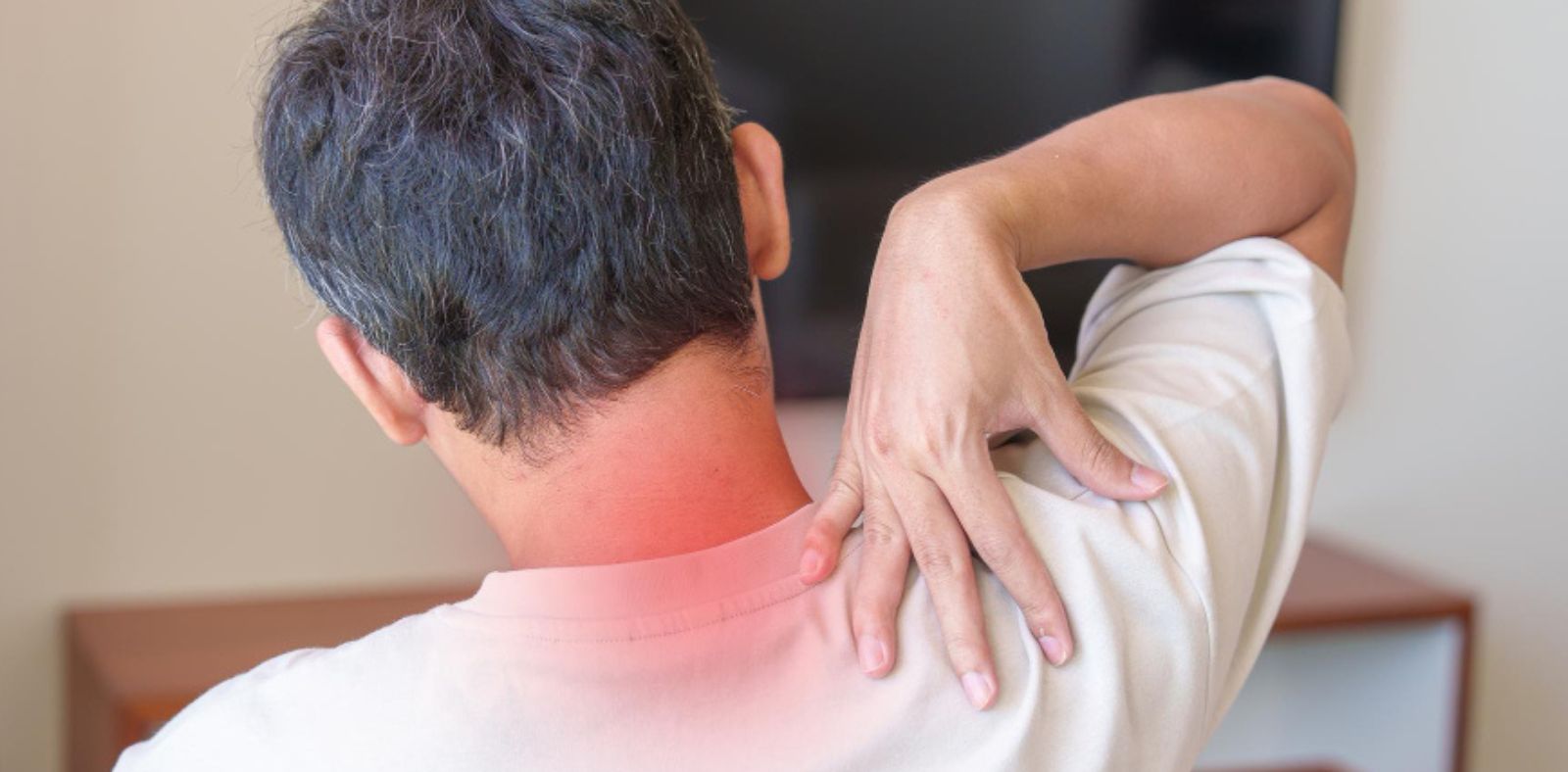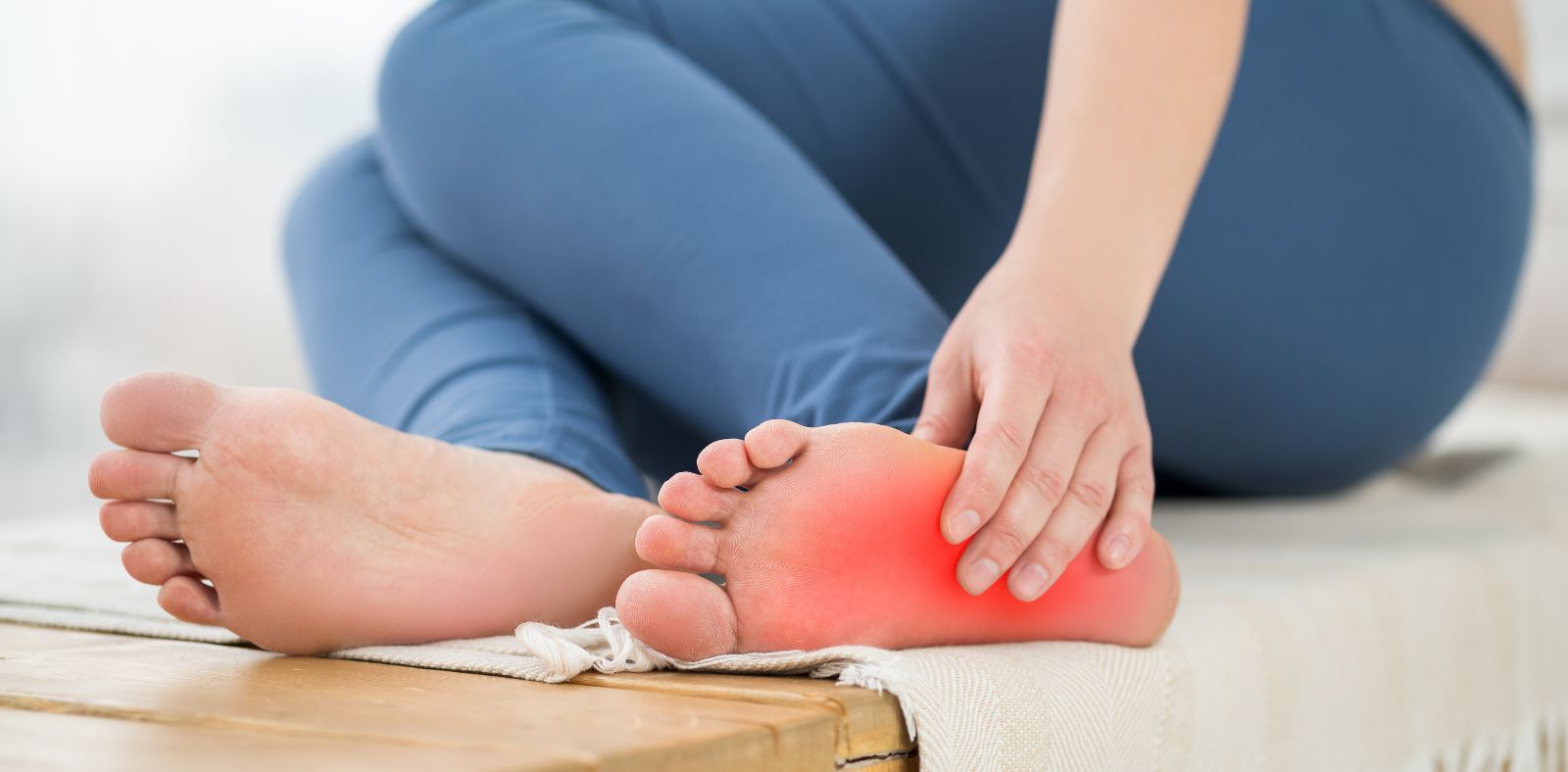

Joint and muscle pain can interfere with everyday activities, limit mobility, and reduce overall quality of life. Whether the discomfort results from arthritis, sports injuries, repetitive strain, or age-related degeneration, many people are now looking for non-invasive treatment options that support natural healing rather than simply masking symptoms.
One treatment that has gained increasing attention is cold laser therapy. Also known as Low-Level Laser Therapy (LLLT) or photobiomodulation therapy, this technology uses specific wavelengths of light to stimulate tissue repair, reduce inflammation, and relieve pain without surgery or medication.
When combined with modern nano-based therapeutic technologies, cold laser therapy may further enhance healing by improving the delivery of topical pain-relieving ingredients to affected tissues. Together, these approaches provide a comprehensive, drug-free strategy for managing musculoskeletal pain.
In this article, we’ll explore how cold laser therapy works, the role of nano technology, and why this combination is becoming increasingly popular for treating joint and muscle pain.
What is Cold Laser Therapy?
Cold laser therapy is a non-invasive treatment that uses low-intensity laser light to stimulate healing at the cellular level. Unlike surgical lasers, cold lasers do not generate enough heat to damage tissues. Instead, they deliver light energy that penetrates the skin and interacts with cells to encourage natural repair processes.
The therapy is commonly used to manage:
- Joint pain
- Muscle strains
- Tendon injuries
- Ligament sprains
- Back and neck pain
- Arthritis-related discomfort
- Sports injuries
- Repetitive stress injuries
Treatment sessions are painless, require no recovery time, and can commonly be completed within 10 to 30 minutes.
How Does Cold Laser Therapy Work?
The therapeutic effect of cold laser therapy begins at the cellular level.
When laser light reaches injured tissues, it is absorbed by mitochondria, the energy-producing structures inside cells. This stimulates the production of adenosine triphosphate (ATP), the primary energy source used for cellular repair and regeneration.
As ATP production increases, several beneficial processes occur simultaneously:
- Improved cellular metabolism
- Faster tissue repair
- Enhanced collagen production
- Better circulation
- Reduced inflammation
- Accelerated wound healing
The therapy also influences nerve function by reducing pain signal transmission and encouraging the release of natural pain-relieving chemicals.
Rather than temporarily blocking pain, cold laser therapy supports the body’s own healing mechanisms.
Nano Technology in Pain Management
Nanotechnology involves engineering extremely small particles that can improve how therapeutic substances are delivered to target tissues.
In musculoskeletal care, nanotechnology is usually incorporated into topical gels, creams, or transdermal formulations used alongside physical therapies.
Because nano-sized particles are much smaller than conventional formulations, they may:
- Improve skin penetration
- Enhance absorption of active ingredients
- Deliver medication more efficiently
- Provide longer-lasting therapeutic effects
- Reduce wastage of active compounds
When used in combination with cold laser therapy, nanoformulations may help maximize the effectiveness of topical treatments by improving local tissue availability.
Why Combining Cold Laser Therapy and Nano Technology May Be Beneficial
Combining cold laser therapy and nanotechnology can be beneficial because nanoparticles enhance light absorption, improve targeted delivery to deep tissues, and mimic cellular environments, creating a synergistic effect that amplifies tissue repair, reduces inflammation, and optimizes localized treatment precision.
- Increased Light Absorption: Metal or specialized nanoparticles act as strong optical absorbers that interact intensely with specific laser wavelengths.
- Targeted Delivery: Nanomaterials can carry therapeutic agents or guide light-activated responses precisely to specific cellular or deep tissue sites.
- Cellular Mimicry: Nanoscale surfaces and structures help replicate the natural microenvironment of cells, boosting adhesion and regeneration when combined with phototherapy.
- Cold Laser Therapy (LLLT): Stimulates mitochondrial energy production (ATP), increases local microcirculation, and reduces pain and swelling without thermal damage.
- Nanotechnology: Provides customized biomaterials, controlled release platforms, and localized photothermal or quantum properties at a microscopic level.
- Combined Potential: Overcomes the individual penetration and efficiency limits of standard light therapy by making treatments more site-specific and potent.
Read Also: Is Targeted Fat Loss Possible? Truth About Spot Reduction
Conditions That May Benefit from Cold Laser Therapy
Cold laser therapy (low-level laser therapy) may benefit conditions like arthritis, tendonitis, and back pain by reducing inflammation and stimulating tissue repair.
- Osteoarthritis
- Rheumatoid arthritis (as supportive care)
- Tendinitis
- Plantar fasciitis
- Tennis elbow
- Frozen shoulder
- Sciatica
- Neck pain
- Lower back pain
- Carpal tunnel syndrome
- Ligament injuries
- Post-surgical healing
- Sports injuries
The suitability of treatment depends on an individual’s diagnosis and overall medical condition.
Cold Laser Therapy Benefits
The growing popularity of cold laser therapy is largely due to its ability to support natural healing while offering a safe, non-invasive approach to pain management. Although results vary depending on the underlying condition and individual response, many patients experience improvements in pain, mobility, and overall function.
Some of the key cold laser therapy benefits include:
- Non-Invasive: No surgery, injections, or incisions required.
- Drug-Free Pain Relief: Helps manage pain without relying on medications.
- Reduces Pain & Inflammation: May ease discomfort and swelling in muscles, joints, and soft tissues.
- Supports Tissue Healing: Stimulates cellular repair to promote recovery from injuries.
- Improves Mobility: Helps restore joint flexibility and range of motion.
- Painless Procedure: Comfortable treatment with little to no sensation during sessions.
- Minimal Downtime: Patients can usually return to normal activities immediately.
- Low Risk of Side Effects: Generally safe when performed by trained professionals.
- Promotes Natural Healing: Supports the body’s own repair processes instead of only relieving symptoms.
- Maximizes Treatment Benefits: Using cold laser therapy alongside nano-based topical treatments may improve localized therapeutic effects and support better recovery.
Read Also: Non-Surgical Fat Reduction: How Green Laser Therapy Helps Target Stubborn Fat
What Happens During Cold Laser Therapy Treatment?
Cold laser therapy combined with nanotechnology uses low-intensity light wavelengths and nanoscale delivery or pulsed mechanisms to target pain, reduce inflammation, and stimulate cellular repair without surgery or heat.
How the Procedure Works:
- Device Application: A practitioner places a small handheld low-level laser device directly on the affected skin or tissue.
- Light Emission: Non-thermal photons (red and near-infrared light, usually 600 to 980 nm) pass safely through the outer skin layers.
- Nanotech Integration: Advanced nano-pulsed or magneto-infrared devices deliver ultra-short, fine-tuned bursts of energy that improve cellular uptake and deeper tissue penetration.
- Cellular Stimulation: Mitochondria absorb the light energy, increasing adenosine triphosphate (ATP) production to accelerate healing
Is Cold Laser Therapy and Nanotechnology Safe?
Cold laser therapy and nanotechnology are generally considered safe when properly regulated, but they involve distinct safety profiles. Cold laser therapy (low-level laser therapy) is non-invasive and does not heat tissue, while nanotechnology in medicine is still evolving with ongoing research into long-term toxicity.
Cold Laser Therapy Safety
- Non-thermal nature: Uses low-intensity light that does not burn or damage skin.
- Side effects: Rare, limited to mild tingling or temporary redness.
- Precautions: Eye protection is required to prevent direct retinal exposure; avoid over active cancer lesions or during pregnancy in specific areas.
Nanotechnology Safety Considerations
- Targeted delivery: Nanoparticles help deliver drugs precisely, reducing systemic toxicity.
- Toxicity concerns: Certain engineered nanoparticles can accumulate in organs or trigger immune responses if not cleared properly.
- Regulation: Medical applications undergo strict preclinical and clinical evaluation before approval.
Cold Laser and Nano Technology Cost
The cost of cold laser therapy with nano technology varies based on the patient’s condition, treatment goals, and the number of sessions required. A personalized consultation is the best way to determine the exact treatment plan and overall cost.
- Condition Being Treated: Acute and chronic conditions may require different treatment protocols.
- Number of Sessions: More sessions may be needed for long-standing or severe conditions.
- Treatment Area: Larger or multiple treatment areas can influence the overall cost.
- Personalized Treatment Plan: The duration and combination of therapies are tailored to individual needs.
- Clinic & Technology Used: Costs may vary depending on the expertise of the healthcare provider and the equipment used.
- Consultation Required: Your doctor will evaluate your condition and provide a customized treatment plan with an estimated cost.
Conclusion
Cold laser therapy has emerged as a promising non-invasive treatment for managing joint and muscle pain by stimulating the body’s natural healing processes. By improving cellular energy production, reducing inflammation, and supporting tissue repair, it offers a drug-free option for many musculoskeletal conditions.
When combined with nanotechnology, which may enhance the local delivery of therapeutic compounds, the overall treatment approach can become even more effective for selected patients. While results vary depending on the underlying condition, this combination may help improve mobility, reduce discomfort, and support long-term recovery.
Frequently Asked Questions
Cold laser therapy may help reduce inflammation, improve circulation, and stimulate tissue repair. Many patients report improvements in pain, stiffness, and mobility, although results vary depending on the underlying condition and treatment plan.
The number of sessions depends on the severity and duration of the condition. Acute injuries may improve after a few treatments, while chronic conditions usually require multiple sessions over several weeks.
No. Laser therapy for muscle pain is generally painless. Most patients do not feel heat or discomfort during treatment and can return to normal activities immediately afterward.
No. Nanotechnology and cold laser therapy serve different purposes. Nano formulations may improve the delivery of topical therapeutic ingredients, while cold laser therapy stimulates cellular healing. They may complement one another but are not interchangeable.
Cold laser therapy is generally well-tolerated when performed by qualified professionals. Side effects are uncommon, but treatment should always be provided after an appropriate clinical assessment.
Cold laser therapy does not cure arthritis. However, it may help reduce pain, stiffness, and inflammation while improving joint function as part of a comprehensive treatment plan.