Lower back pain is a common problem that can affect movement, sleep, work, and everyday activities. It may develop because of muscle strain, poor posture, prolonged sitting, injury, disc-related problems, or age-related changes in the spine. In some cases, pain may also spread into the buttocks, pelvis, or legs.
Although many episodes improve with conservative care, persistent or severe symptoms may require medical assessment and a more structured treatment approach. Management can include physiotherapy, exercises, activity modification, medicines, and other non-invasive therapies.
In this article, we will look at the common causes and symptoms of lower back pain, treatment and self-care options, useful exercises and stretches, and the possible role of cold laser therapy in supporting pain relief and recovery.
What is Lower Back Pain?
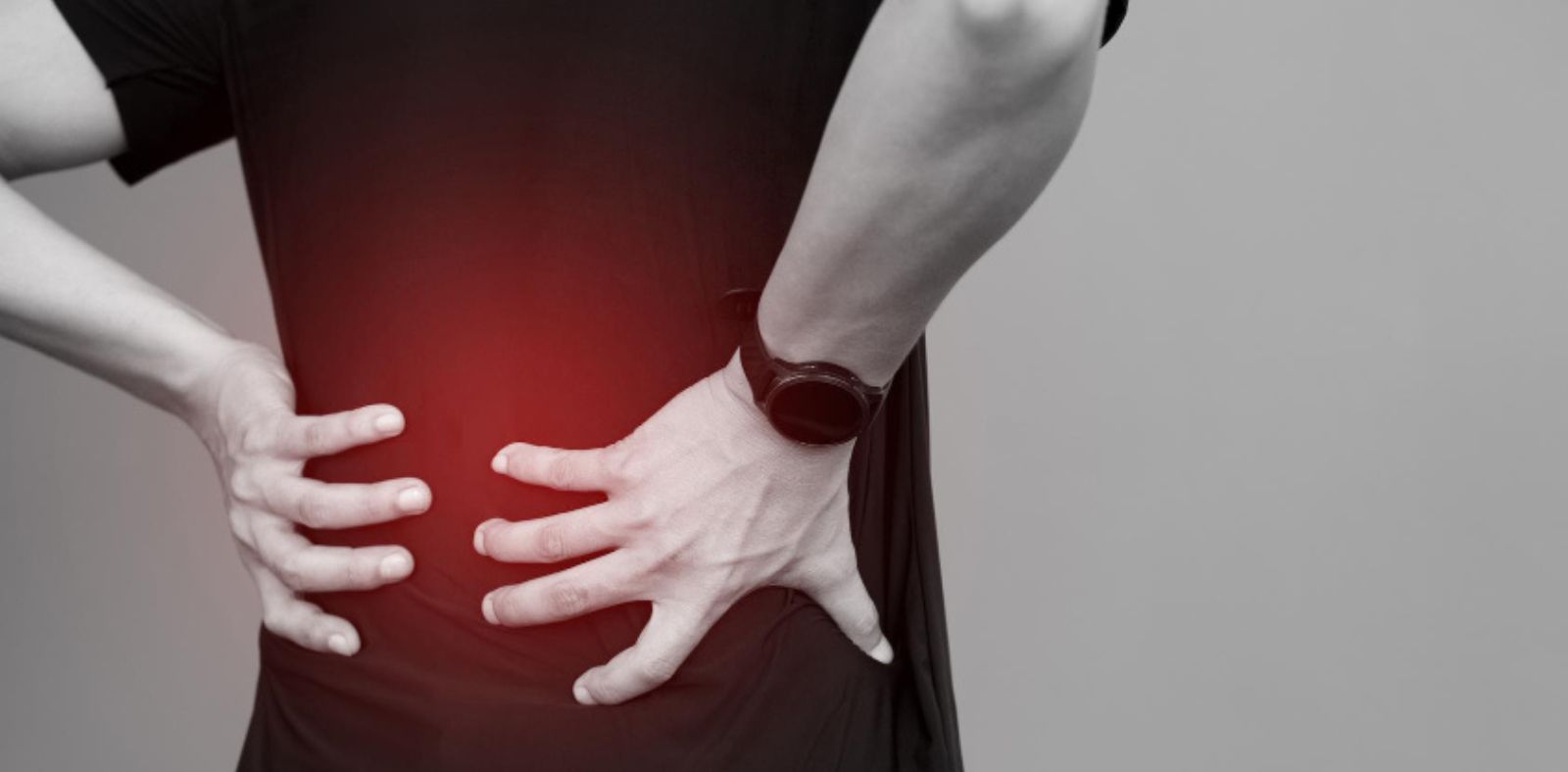
Lower back pain refers to discomfort in the lumbar region, between the lower ribs and buttocks. It may develop suddenly after an activity or gradually because of repeated strain, age-related changes, or an underlying health condition.
The pain can feel:
- Dull or aching
- Sharp or stabbing
- Tight or stiff
- Worse during bending or lifting
- Worse after prolonged sitting or standing
- Associated with pain travelling into the buttock or leg
Some episodes are short-lived, while others persist or recur. Identifying the pattern and possible cause helps guide appropriate lower back pain treatment.
What Are the Symptoms of Lower Back Pain?
Lower back pain symptoms vary depending on the tissues or structures involved. Some people experience localised discomfort, while others develop stiffness, muscle spasms, or pain that spreads into nearby areas.
Common symptoms include:
- Pain or tenderness in the lower back
- Reduced flexibility or stiffness
- Difficulty bending or straightening
- Muscle tightness or spasms
- Pain after sitting or standing for long periods
- Pain extending into the buttock or thigh
- Difficulty performing normal daily activities
Sudden lower back pain may occur after lifting, twisting, exercise, or an awkward movement. Severe lower back pain accompanied by numbness, weakness, or bladder or bowel changes requires prompt medical attention.
What Causes Lower Back Pain?
The reasons for lower back pain range from temporary muscle strain to problems affecting spinal discs, joints, or nerves. In many cases, several physical and lifestyle factors contribute rather than one single cause.
Muscle Strain and Repetitive Stress
Muscles and ligaments supporting the lower back may become strained after lifting, twisting, sudden movement, or repetitive physical work. Sitting in one position for extended periods can also increase stiffness and discomfort.
Common triggers include:
- Heavy lifting
- Sudden twisting
- Unaccustomed exercise
- Repetitive bending
- Long periods of inactivity
- Poor lifting technique
Disc Problems and Sciatica
The discs between spinal bones provide cushioning and help the spine move. Changes in a disc, including herniation, can sometimes irritate nearby nerves.
When nerve irritation produces pain that travels from the lower back or buttock into the leg, it may be associated with sciatica pain rather than isolated muscular back pain.
Lifestyle and Age-Related Factors
Daily habits and gradual changes in the spine can influence back pain. Reduced physical activity, inadequate muscular conditioning, repetitive occupational strain, and age-related changes may all contribute.
Maintaining regular activity and strengthening the muscles supporting the trunk can help improve function and reduce recurring problems in some people.
Lower Back Pain Causes in Men and Women
Many causes of lower back pain are shared by men and women, including muscle strain, disc problems, prolonged sitting, injuries, and age-related spinal changes. However, some reproductive and pelvic conditions can contribute specifically to female lower back pain.
Lower Back Pain in Women
Lower back pain in women may sometimes occur alongside menstrual, gynaecological, pelvic, or pregnancy-related symptoms. The location and timing of pain can provide useful clues about its possible source.
Possible contributors include:
- Menstrual cramps
- Endometriosis
- Pelvic conditions
- Pregnancy-related changes
- Muscle or ligament strain
- Spinal or disc-related conditions
Lower back and pelvic pain in females should be medically assessed when it is persistent, severe, unusual, or associated with abnormal bleeding, fever, urinary symptoms, or other concerning changes.
Lower Back Pain During Pregnancy
Changes in body weight, posture, joints, and muscle loading can contribute to lower back discomfort during pregnancy. Mild back pain can occur even during the first trimester.
However, lower back pain during the first trimester or later pregnancy should not automatically be assumed to be harmless. Severe pain, bleeding, fever, abdominal symptoms, or urinary problems need medical assessment.
Lower Back Pain in Men
Lower back pain causes in males commonly include muscle strain, occupational lifting, sports injuries, spinal changes, and prolonged sitting. Pain accompanied by urinary symptoms, fever, abdominal discomfort, or other unexplained symptoms may have a cause outside the spine and should be evaluated appropriately.
Lower Back Pain on the Left or Right Side
Lower left back pain or lower right back pain may come from muscles, joints, nerves, or structures near the spine. Pain on one side does not by itself identify the underlying cause.
One-sided pain can occur because of:
- Muscle strain
- Uneven physical loading
- Joint irritation
- Disc or nerve problems
- Sports or lifting injuries
- Conditions involving nearby organs
If lower back pain on the left or right side is persistent or accompanied by fever, urinary problems, abdominal pain, nausea, weakness, or numbness, medical evaluation is recommended.
What Are the Treatment Options for Lower Back Pain?
Lower back pain treatment depends on the cause, severity, duration, and effect on everyday activities. For uncomplicated back pain, conservative treatment usually focuses on staying active, improving movement, and controlling symptoms.
Clinical guidelines support self-management and continued activity, with exercise-based programmes considered for suitable patients.
Physiotherapy
Physical therapy for lower back pain can help restore movement, improve strength, and reduce limitations affecting everyday activities. Treatment is usually personalised rather than based on one exercise programme for everyone.
Physiotherapy may include:
- Mobility exercises
- Core strengthening
- Hip and back strengthening
- Flexibility training
- Movement and lifting advice
- Gradual return to normal activity
- Education about managing flare-ups
Physiotherapy exercises for lower back pain are usually selected according to symptoms, physical ability, and the suspected source of pain.
Pain Relief Medication
Medicines may be considered for short-term symptom management when appropriate. The choice depends on medical history, other medicines, age, and possible risks.
Anti-inflammatory medicines are sometimes used for lower back pain, but they are not appropriate for everyone. Current guidance recommends considering individual gastrointestinal, liver, cardiovascular, and kidney-related risks and using the lowest effective dose for the shortest appropriate period.
What is the Role of Cold Laser Therapy in Lower Back Pain?
Cold laser therapy, also called low-level laser therapy or photobiomodulation, uses low-intensity light applied to targeted tissues. It is a non-invasive technique sometimes used as part of rehabilitation or pain-management programmes.
The therapy does not involve surgical cutting or the tissue-heating effects associated with high-powered surgical lasers.
How Does Cold Laser Therapy Work?
Cold laser therapy delivers light energy at selected wavelengths to the treatment area. Photobiomodulation is proposed to influence cellular processes involved in inflammation, tissue response, and pain signalling.
At Aalayam Rehab Care, eLaserCalmative® Therapy brings together cold laser technology and nano-current bio-stimulation to provide a non-invasive approach to lower back pain management.
Cold laser therapy may help ease discomfort by influencing inflammatory responses and pain signalling, while nano-current stimulation is intended to support cellular activity and tissue recovery.
This combined approach may complement physiotherapy and rehabilitation exercises, helping patients manage pain and participate more comfortably in their recovery programme. However, clinical evidence for the combined therapy remains limited, and outcomes depend on the underlying cause of pain.
Who May Benefit from Cold Laser Therapy?
Cold laser therapy may be considered for some people with musculoskeletal lower back pain, particularly as an adjunct to a broader conservative treatment programme.
It may be discussed when:
- Pain is persistent or recurring
- Muscle or soft-tissue discomfort contributes to symptoms
- A non-invasive treatment approach is preferred
- Rehabilitation is already being used
- A healthcare professional considers it appropriate
Suitability depends on the cause of pain. A person with significant nerve compression, fracture, infection, or another serious condition requires treatment directed at that underlying problem.
Exercises and Stretches for Lower Back Pain
Exercises for lower back pain can improve mobility, strength, and confidence with movement when they are appropriate for the condition. The best programme depends on whether pain is acute, recurring, nerve-related, or associated with another diagnosis.
Strengthening Exercises
Lower back exercises for pain relief usually focus on muscles that support the spine and pelvis.
These may include:
- Core activation exercises
- Glute bridges
- Pelvic tilts
- Controlled hip strengthening
- Gentle trunk stability exercises
Start gradually and avoid movements that repeatedly produce sharp pain or worsening neurological symptoms.
Stretches for Lower Back Pain
Gentle stretches can reduce stiffness and maintain comfortable movement. Depending on the individual, exercises may target the hips, hamstrings, gluteal muscles, or lower back.
The best stretches for lower back pain are those suited to the underlying problem. Stretching aggressively through pain is unlikely to make an irritated back more cooperative.
Yoga for Lower Back Pain
Gentle yoga may support flexibility, strength, relaxation, and movement confidence for some people with persistent back pain.
Choose comfortable movements and modify poses that increase symptoms. People with significant pain, recent injury, osteoporosis, neurological symptoms, or other medical conditions should seek professional guidance before beginning a new programme.
Home Remedies and Self-Care for Lower Back Pain
Lower back pain treatment at home can help during many uncomplicated episodes. Self-care generally focuses on maintaining comfortable activity, reducing aggravating movements, and gradually returning to normal routines.
Helpful lower back pain remedies include:
- Continue light daily activity where possible.
- Avoid prolonged bed rest.
- Change sitting positions regularly.
- Take short, comfortable walks.
- Use heat or cold for temporary relief.
- Avoid repeated heavy lifting during a flare.
- Resume exercise gradually.
- Follow prescribed physiotherapy exercises consistently.
How to Sleep with Lower Back Pain
Sleeping positions that support the spine and reduce uncomfortable twisting may make lower back pain easier to manage at night. No single position works for everyone.
You may try:
- On your back: Place a pillow under your knees for additional support.
- On your side: Place a pillow between your knees to reduce twisting.
- Position changes: Avoid remaining in an uncomfortable posture for long periods.
- Supportive bedding: Use a mattress and pillows that allow comfortable spinal positioning.
Pain that repeatedly prevents sleep or remains severe throughout the night deserves medical evaluation, particularly when it is accompanied by other symptoms.
When Should You See a Lower Back Pain Specialist?
Consult a lower back pain doctor or specialist when symptoms are persistent, worsening, recurrent, or interfering significantly with normal activities. Earlier assessment may also be appropriate after injury or when neurological symptoms develop.
Seek medical attention for:
- Severe or rapidly worsening pain
- Persistent pain despite appropriate self-care
- Numbness or tingling
- Weakness in the leg
- Difficulty walking
- Fever or unexplained weight loss
- Pain following a significant fall or injury
Seek urgent medical care for new loss of bladder or bowel control, numbness around the groin or saddle region, or significant progressive weakness.
Frequently Asked Questions
Many uncomplicated episodes improve within days or several weeks. Persistent pain can last longer and may require assessment, physiotherapy, or additional treatment. Recovery depends on the underlying cause, general health, activity level, and severity of symptoms.
Walking is generally a useful form of gentle activity when it does not significantly increase symptoms. Start with a manageable distance and gradually increase activity. Prolonged inactivity is generally discouraged for uncomplicated lower back pain.
Stress can contribute to muscle tension, sleep disturbance, reduced activity, and increased sensitivity to pain. It may therefore worsen existing lower back pain, although persistent symptoms should not automatically be attributed to stress without considering physical causes.
Some episodes resolve completely, particularly those related to temporary muscle or ligament strain. Other conditions can recur or require ongoing management. Treatment aims to address the underlying cause, restore function, and reduce the likelihood of repeated episodes.
Lower back pain requires urgent assessment when it occurs with loss of bladder or bowel control, numbness around the groin, rapidly progressing leg weakness, major trauma, or other signs suggesting serious nerve or spinal involvement.